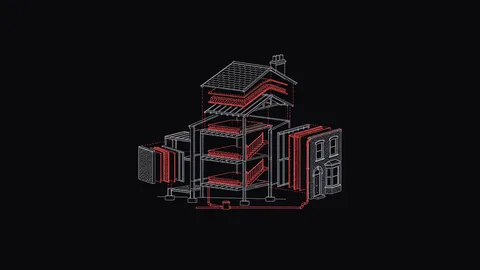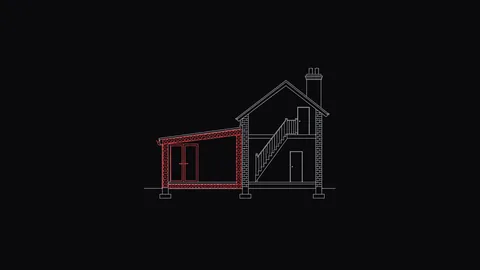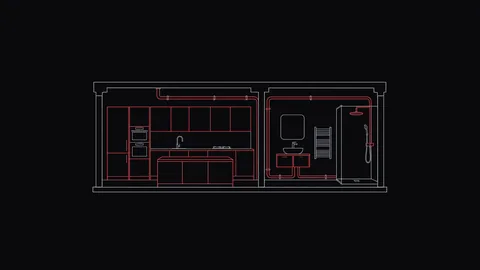
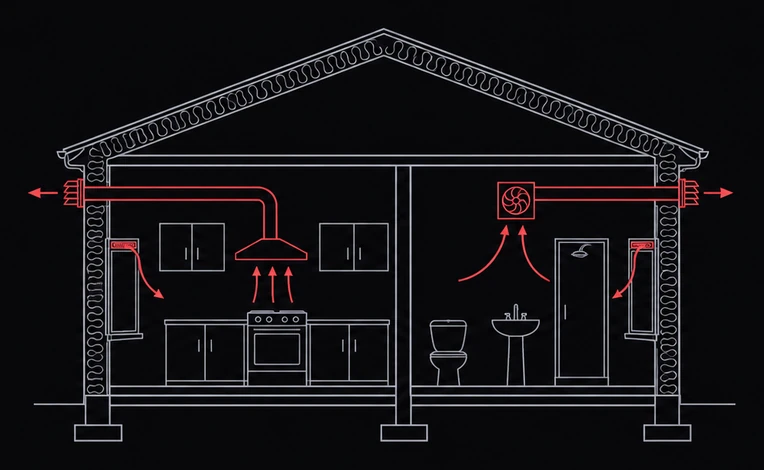
Illustration of a kitchen cooker hood ducted outside and a bathroom extract fan, with airflow lines and trickle vents in the windows

Approved Document F: Part F ventilation for kitchens, bathrooms and extensions

Approved Document F is the guidance on Part F of the building regulations: ventilation. It sets how fast an extractor fan must remove steam from a kitchen or bathroom, and how a home gets fresh air through trickle vents and windows. It comes up in every kitchen, bathroom and extension we build.

What Part F covers

Part F requires adequate means of ventilation for the people in a building. Approved Document F Volume 1 covers dwellings and Volume 2 other buildings. The 2021 edition took effect in England on 15 June 2022, together with the new Part L, and a 2026 edition applies from 24 March 2027, subject to transitional provisions. The 2021 edition gives more detail than before on extract rates, on homes that are made more airtight, and on checking that ventilation works once installed.
Extract rates for kitchens, bathrooms and WCs

For extract fans that run when needed (intermittent extract), Table 1.1 of Volume 1 sets these minimum rates:

  • Kitchen with a cooker hood that extracts to outside: 30 litres per second.
  • Kitchen with the fan elsewhere, no cooker hood, or a hood that recirculates: 60 litres per second.
  • Utility room: 30 litres per second.
  • Bathroom: 15 litres per second.
  • Sanitary accommodation, such as a separate WC: 6 litres per second.

A fan is only as good as its duct: a long flexible duct with bends delivers far less than the fan’s label. In a kitchen or bathroom refit, plan the duct route to the outside wall or roof before the ceiling goes up, so the fan reaches its rate. Continuous systems, such as a whole-house mechanical extract or heat recovery unit, have their own rates in Table 1.2.

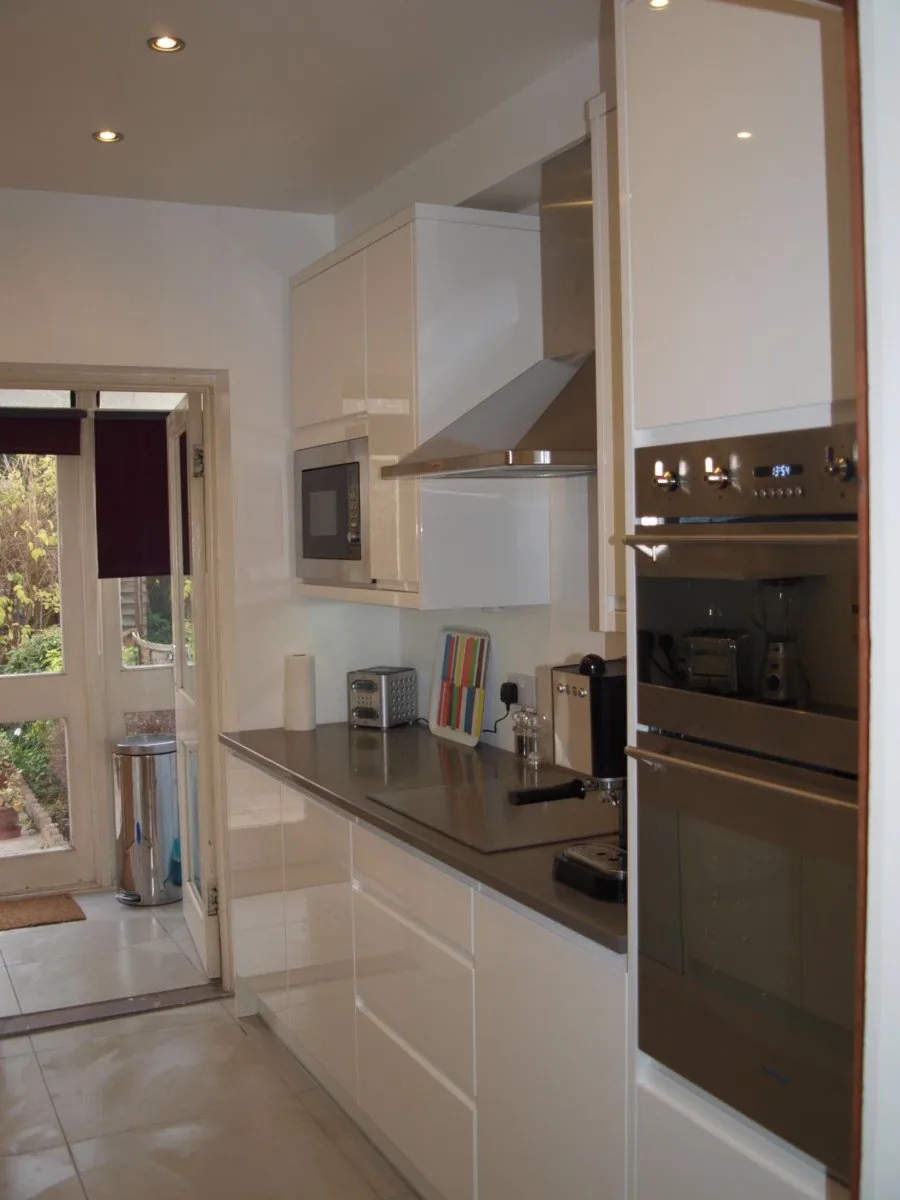
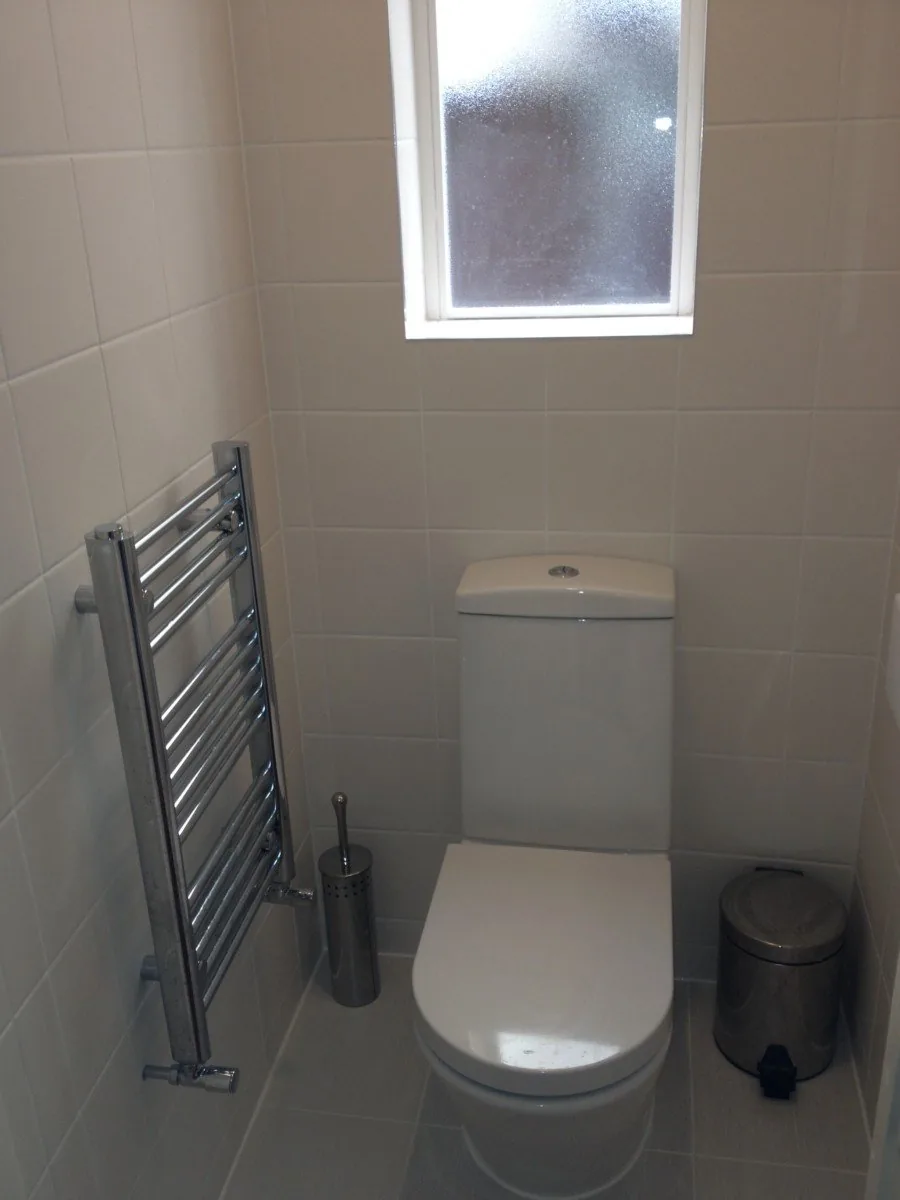
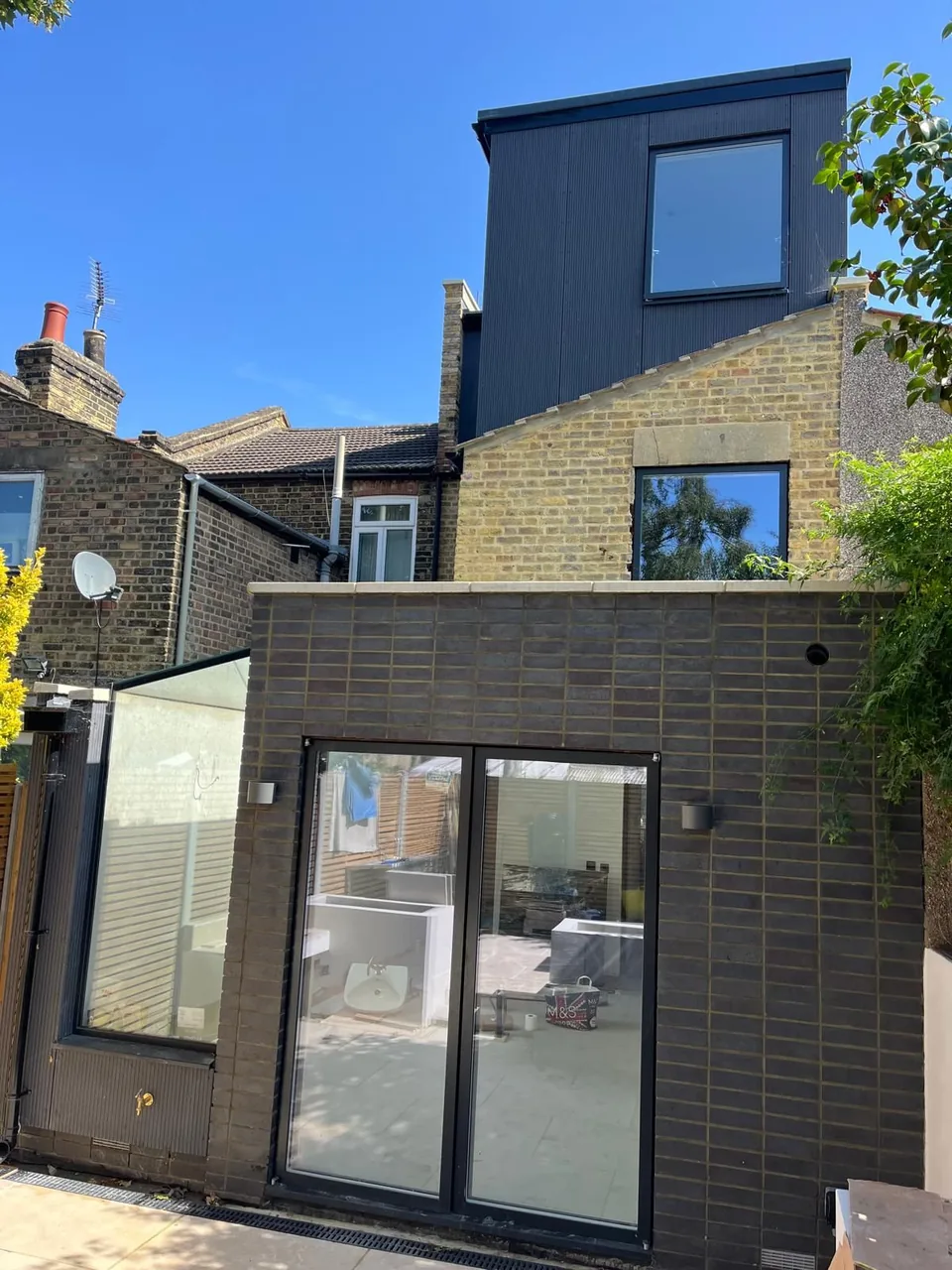
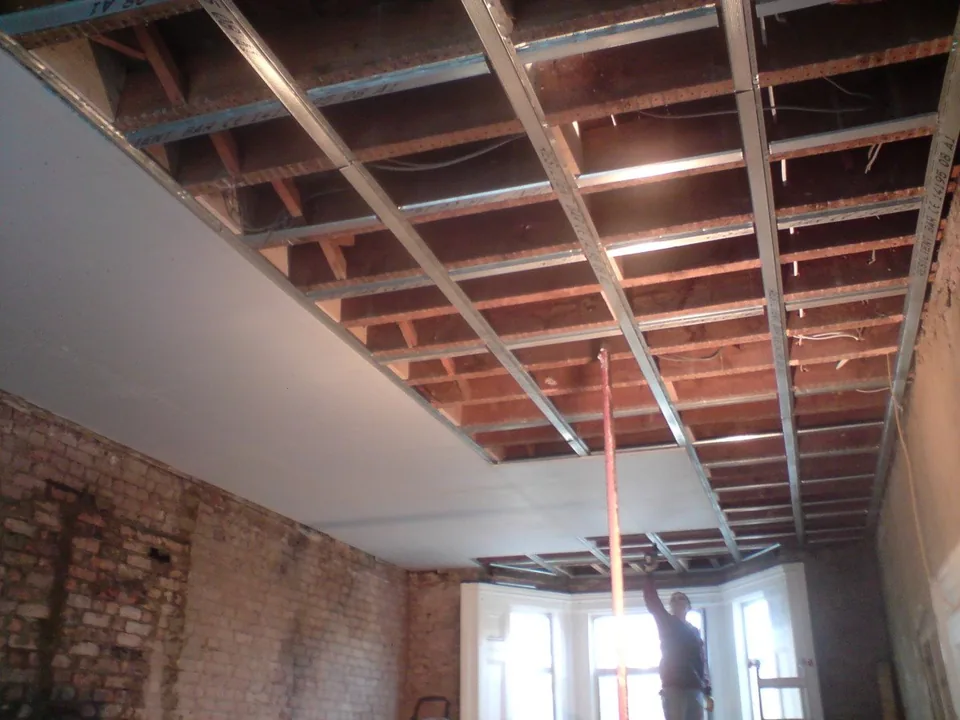
Closer rear view of the dormer, KRAMAN Ltd, LondonExposed timber ceiling joists and brickwork during the Brockley house renovation, KRAMAN Ltd, LondonGalley kitchen in Leyton with white gloss units, a built-in oven and a door to the garden, KRAMAN Ltd, LondonCloakroom in East Finchley with a close-coupled WC, a heated towel rail and white tiles, KRAMAN Ltd, London

Background and purge ventilation

Background ventilation is the small, constant supply of fresh air, usually trickle vents in the window frames. Purge ventilation clears smoke or paint fumes fast, usually by opening a window wide. A new habitable room in an extension or loft needs both. When you replace windows, the work must not make the home’s ventilation worse, so new windows normally come with trickle vents.

Extensions and energy upgrades

An extension that takes in an existing window or wet room must keep that room ventilated, for example with a new fan or a window to the outside. Insulating and draught-proofing a house reduces the air leaking in, so Volume 1 includes a check on whether more ventilation is needed after energy efficiency work. Our Approved Document L guide covers the insulation side.

Questions people ask

What extract rate does a bathroom fan need?

At least 15 litres per second for an intermittent bathroom fan, under Table 1.1 of Approved Document F Volume 1.

What extract rate does a kitchen need?

30 litres per second for a cooker hood that extracts to outside, or 60 litres per second for a fan elsewhere in the kitchen.

Does a downstairs toilet need an extractor fan?

A WC needs extract ventilation of at least 6 litres per second under Table 1.1; ask building control whether an opening window is accepted instead for your room.

Do new windows need trickle vents?

Replacing windows must not make ventilation worse, so new windows normally have trickle vents; the installer or building control confirms what your rooms need.

Call us