
What a full refurbishment with KRAMAN includes
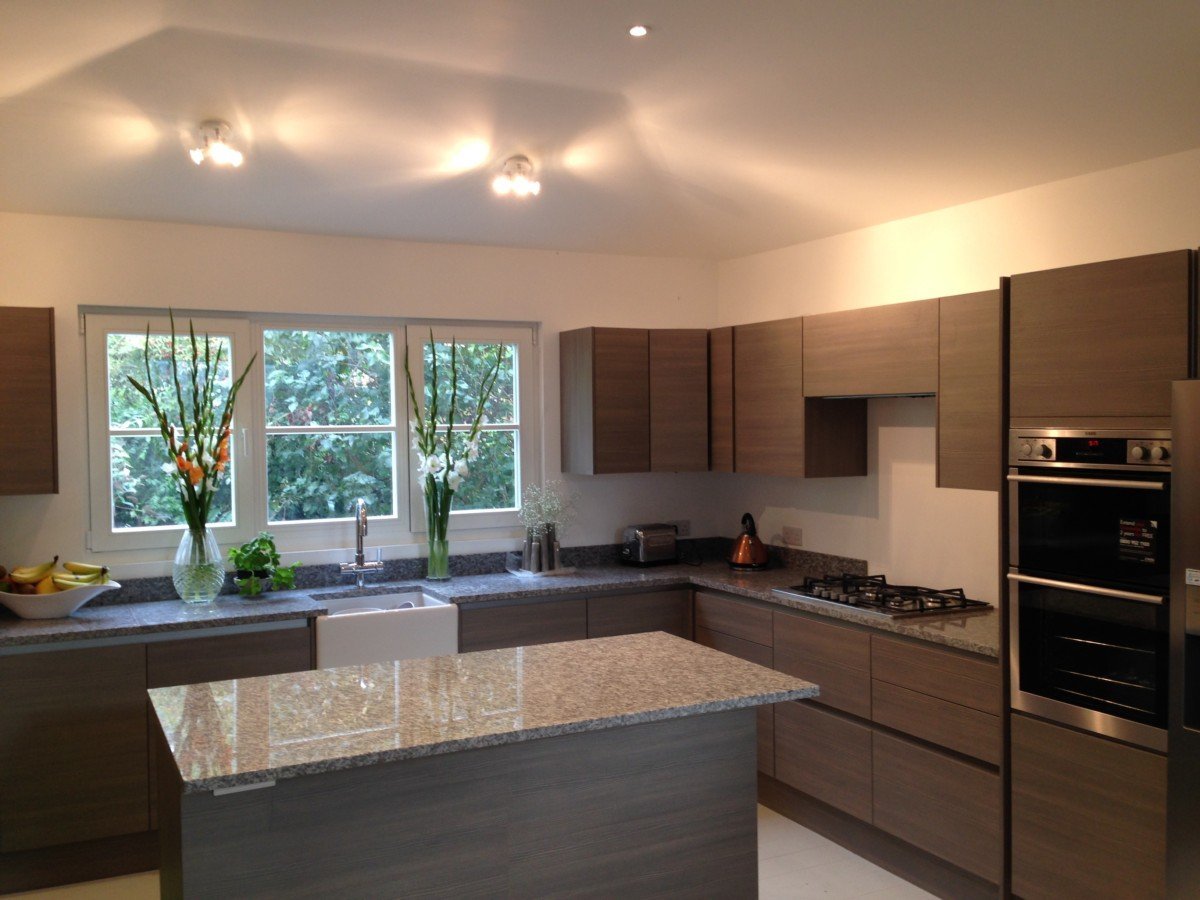
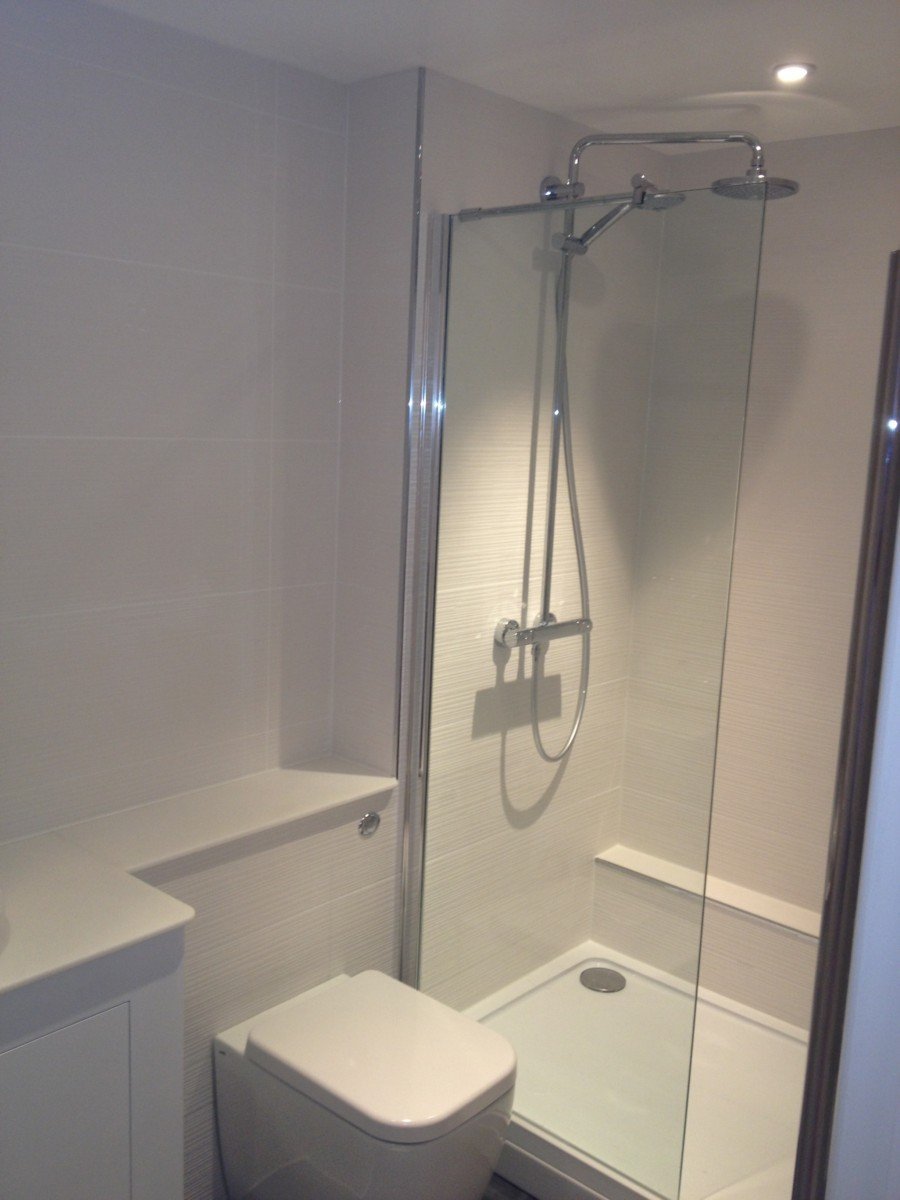
Most of the houses we refurbish are Victorian or Edwardian terraces in East and South East London, with a smaller share of Edwardian and inter-war properties in the north and inter-war and post-war flats in the central postcodes. A full refurbishment with us covers the building from foundations to roof: structural opening up where layouts change, full first-fix electrics by NICEIC-registered electricians, full first-fix plumbing and gas by Gas Safe registered engineers, plastering and skim throughout, joinery (fitted wardrobes, alcove shelving, replacement skirting), kitchen and bathroom installation, redecoration, sanded and sealed floors, and end-of-job snagging.
Typical scope and budget
A two-bedroom flat refurbishment in Canary Wharf or Isle of Dogs typically runs from £80,000 to £180,000 including fixtures and fittings. A three- or four-bedroom Victorian terraced house in Brockley, Leytonstone or Walthamstow typically runs from £180,000 to £450,000 depending on whether the scope includes a side-return extension, loft conversion or basement dig-out. Listed property in Notting Hill, Holland Park or Chelsea typically starts around £400,000 and is priced per square metre once conservation officer requirements are clear.
Programme and project management
A standard whole-house refurbishment runs 14 to 30 weeks on site. Programme is set at contract signing, with weekly progress reports and a 4-stage payment schedule tied to genuine milestones (strip-out complete, first fix complete, second fix complete, practical completion). Variations are priced and signed before any work changes — never on email and never verbally. Alex visits site at least once a week and is reachable on his mobile during working hours.
Why hire a Federation of Master Builders contractor
Membership of the Federation of Master Builders is not automatic. FMB members undergo financial vetting, technical assessment and ongoing inspection. The accreditation matters because it gives you redress if anything goes wrong. We have been an FMB member since 2009 and have never had a dispute escalated. Our NICEIC registration covers fixed-wire electrical work, our Gas Safe registration covers boiler and gas appliance installation, and our public liability insurance is set at £5 million (extendable to £10 million on request for higher-value contracts).
Full house refurbishment cost in London 2026
A whole-house refurbishment in London costs £1,500 to £3,000 per square metre for the works themselves (excluding kitchen, bathroom and AV equipment supplied separately). The price band depends on property type, age, structural scope and finish standard. The table below shows real ranges from KRAMAN projects completed across East, South East and North London in the past 24 months.
| Property type | Typical total cost | Per square metre |
|---|---|---|
| 2-bed flat refurbishment (75 m²) | £80,000 to £180,000 | £1,100 to £2,400 |
| 3-bed Victorian terrace (110 m²) | £180,000 to £320,000 | £1,600 to £2,900 |
| 4-bed Victorian or Edwardian terrace (140 m²) | £220,000 to £450,000 | £1,500 to £3,200 |
| Period semi with extensions and loft (180 m²) | £320,000 to £680,000 | £1,800 to £3,800 |
| Listed property in central London | £400,000+ | £3,500 to £6,500 |
The biggest cost drivers within these ranges are: structural opening up to change the layout (typically £15k to £35k for a single load-bearing wall removal); full electrical rewire (£9k to £14k for a 3-bed terrace); full replumb (£7k to £12k); replastering throughout (£12k to £20k); kitchen fit-out (£15k to £60k supply-only depending on brand); two bathrooms (£10k to £30k); decoration (£6k to £14k).
Add 25 to 40 percent to the base figures for a full kitchen rear extension, loft conversion or basement conversion in the same programme. Conservation-area work (Brockley SE4, Bushwood E11, parts of Hackney) adds 8 to 12 percent on the conservation-controlled elements. We give a written rough order-of-magnitude budget within three working days of the initial site visit and a fully itemised fixed quote after layout and finish decisions are confirmed.
Victorian terrace renovation: what is involved
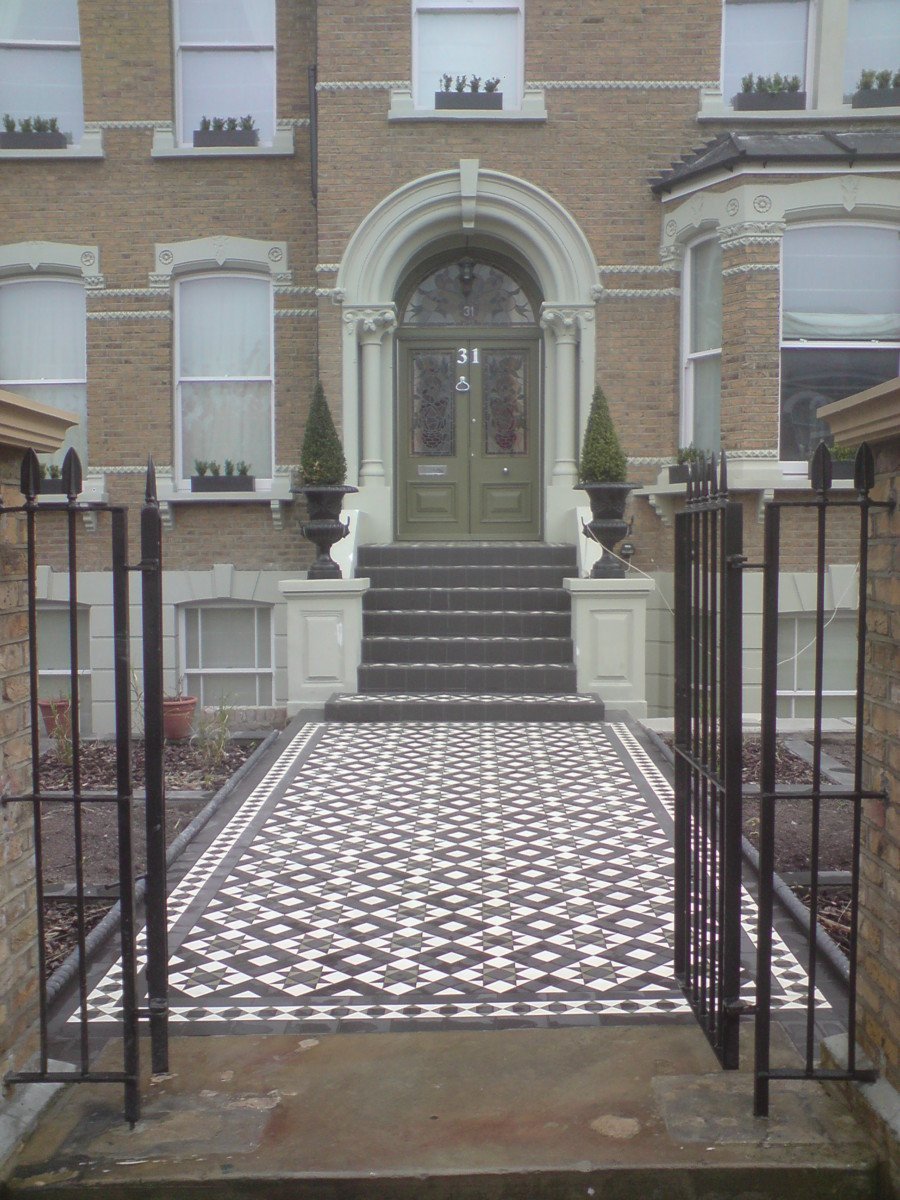
London Victorian terraces are roughly 130 to 160 years old. Most have been altered, extended and decorated multiple times. A proper renovation strips back the alterations to understand what is original, what is structurally sound and what has to be replaced. The scope below is typical of KRAMAN renovations on Victorian terraces in Leytonstone, Brockley, Hackney and Holloway.
Common Victorian terrace issues we find on first survey
- Rising damp at ground floor: caused by failed or absent damp-proof course, broken external pointing, or raised external ground levels. Remediation involves chemical DPC injection, re-pointing the external brickwork, lowering external levels, and replacing damaged plaster up to 1.2 metres above floor level.
- Original sash windows requiring restoration: rather than replacement, sash windows are best repaired — replacing rotten cills and bottom rails, replacing broken cords and pulleys, draught-stripping with brush seals, full repaint. Cost £800 to £1,400 per window restored, versus £1,500 to £2,500 for like-for-like timber replacement.
- Cornicing and ceiling roses: original Victorian cornicing is usually plaster on lath, often damaged by past decoration or partition removal. Repairs use traditional plaster moulds, run in situ for the long runs and cast for the ceiling roses. We work with specialist plasterers for this.
- Original fireplaces: typically present but boarded over. Restoration involves opening up the chimney breast, removing damaged surrounds, sourcing or commissioning replacement period fenders and tiles, fitting a working gas or wood-burning insert.
- Electrical rewire: any Victorian terrace last rewired before 2008 will not meet current Part P; almost any rewire before 2015 will fail current arc-fault and earth-bonding requirements. Full rewire is standard scope on a Victorian refurbishment.
- Replumb: original lead and steel pipework should be replaced with copper or plastic; the heating system is normally upgraded to a modern combi or system boiler with new radiators sized to the room load.
- Insulation: Victorian solid-wall construction is uninsulated by default. Internal wall insulation (50 to 100mm rigid board on dabs) is standard; external wall insulation is preferred where rear elevations are not visible from the street and the property is outside a conservation area.
Period detail preservation
The single biggest difference between a good and a poor Victorian renovation is how original features are treated. KRAMAN standard is: every original feature is photographed and recorded before any work starts, every damaged feature is restored rather than removed where viable, and any replacement is matched to the original profile (cornice, dado, picture rail, skirting). We have an in-house specialist plasterer and joiners who train new staff on period detailing.
For project examples see our case studies in Brockley, Leytonstone and Hackney.
Refurbishment timeline
A typical full refurbishment of a 3-bed Victorian terrace in London runs 12 to 20 weeks on site. Larger 4 to 5 bed period houses with extensions and loft conversions run 20 to 30 weeks. The phased breakdown below is from a recent KRAMAN 3-bed Leytonstone refurbishment.
| Phase | Duration |
|---|---|
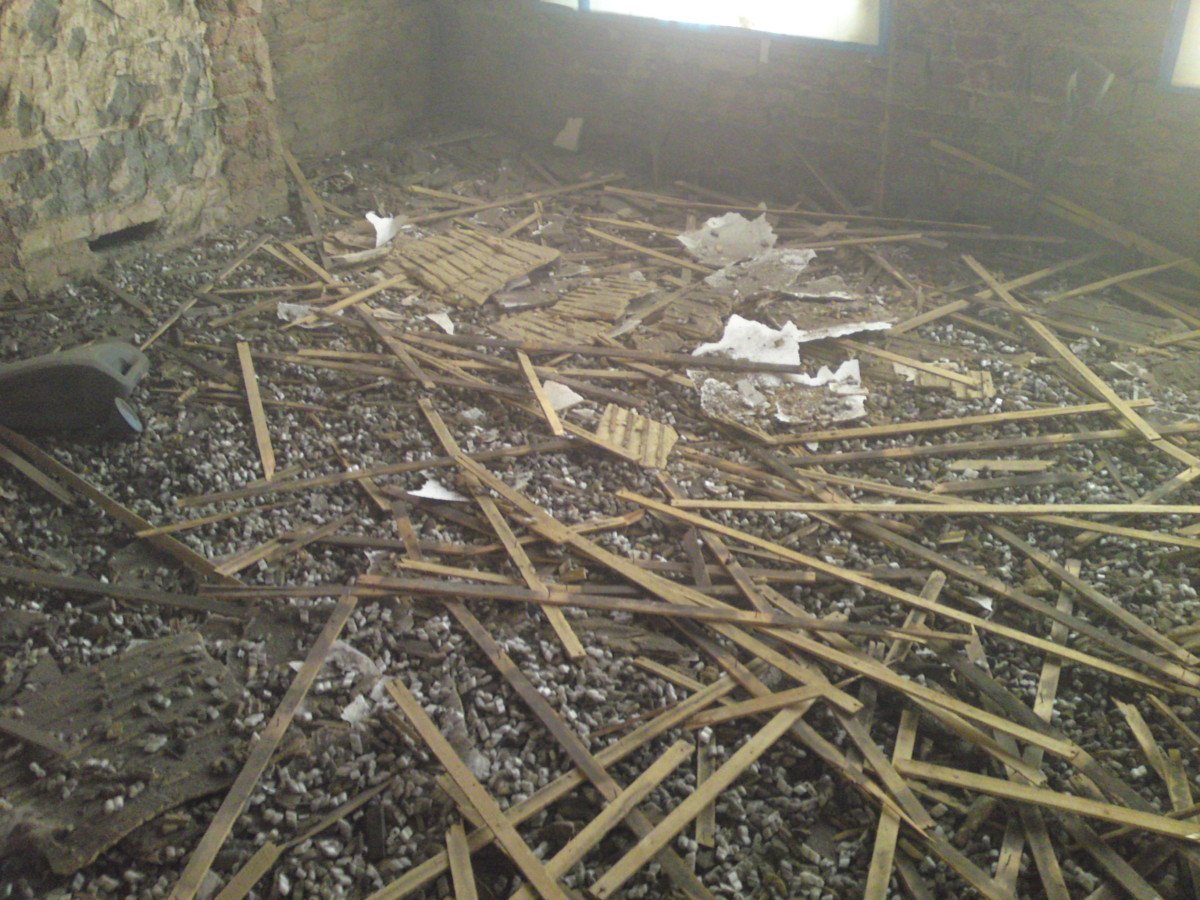
| Strip-out, structural opening up, damp proofing | 2 to 3 weeks |
| Steelwork, structural alterations, foundations for extension | 2 to 3 weeks |
| First-fix M&E (electrics, plumbing, gas, heating) | 2 to 3 weeks |
| Replastering throughout, screeds | 2 to 3 weeks |
| Second fix (kitchen, bathrooms, joinery, tiling) | 3 to 4 weeks |
| Decoration, flooring, appliance install | 2 to 3 weeks |
| Snagging, final inspections, certificates | 1 to 2 weeks |
Pre-construction phase (architect drawings, planning, party wall agreements, building control submission) adds 8 to 20 weeks ahead of on-site work depending on permission route. We absorb the entire pre-construction coordination into project management at no extra fee for projects we are contracted to build.
Frequently asked questions
Do you handle planning permission and building control?
We work alongside your architect for planning. Building control submissions, structural engineer sign-off, party wall agreements and other statutory steps are coordinated by us as part of project management. If you do not have an architect we can recommend three London practices we work with regularly.
Can we live in the house during refurbishment?
For partial refurbishments yes, with a sealed dust line between the live and works zones. For full strip-out refurbishments we recommend rental accommodation for the duration of the structural and first-fix stages, then return for finishes if practical.
How do you handle changes mid-project?
Every variation is priced in writing before work starts on the change. The variation log is updated weekly and forms part of your final account. There are never surprises at the end of the job.
How much does a full house refurbishment cost in London?
A 3-bed Victorian terrace refurbishment typically runs £180,000 to £320,000 in 2026 prices. Costs vary by structural scope (extension or loft conversion in the same programme), finish standard and how much of the original detail is preserved. We quote a written rough order-of-magnitude budget within three working days of the initial site visit.
How long does a London house refurbishment take?
A 3-bed Victorian terrace runs 12 to 16 weeks on site. A 4 to 5 bed period semi with extension and loft conversion runs 20 to 30 weeks. Listed restoration in central London runs 30 to 50 weeks because of lime plaster cure times and conservation officer hold points.
Do you preserve original period features?
Yes — every original feature is photographed and catalogued before any work starts. Cornicing, ceiling roses, fireplaces, sash windows, original floorboards and ironmongery are restored rather than replaced wherever practical. Specialist plasterers and joiners handle the period detailing in-house.
Can we live in the house during the refurbishment?
For partial refurbishments yes, with a sealed dust line. For full strip-out refurbishments we recommend renting elsewhere for the duration of structural and first-fix stages (8 to 12 weeks). Some clients return at second-fix and live through the final decoration with reduced disruption.
Ready to discuss your project?
Free initial site visit. Written rough-order-of-magnitude budget within three working days.
07717 778 612 Or send a brief →