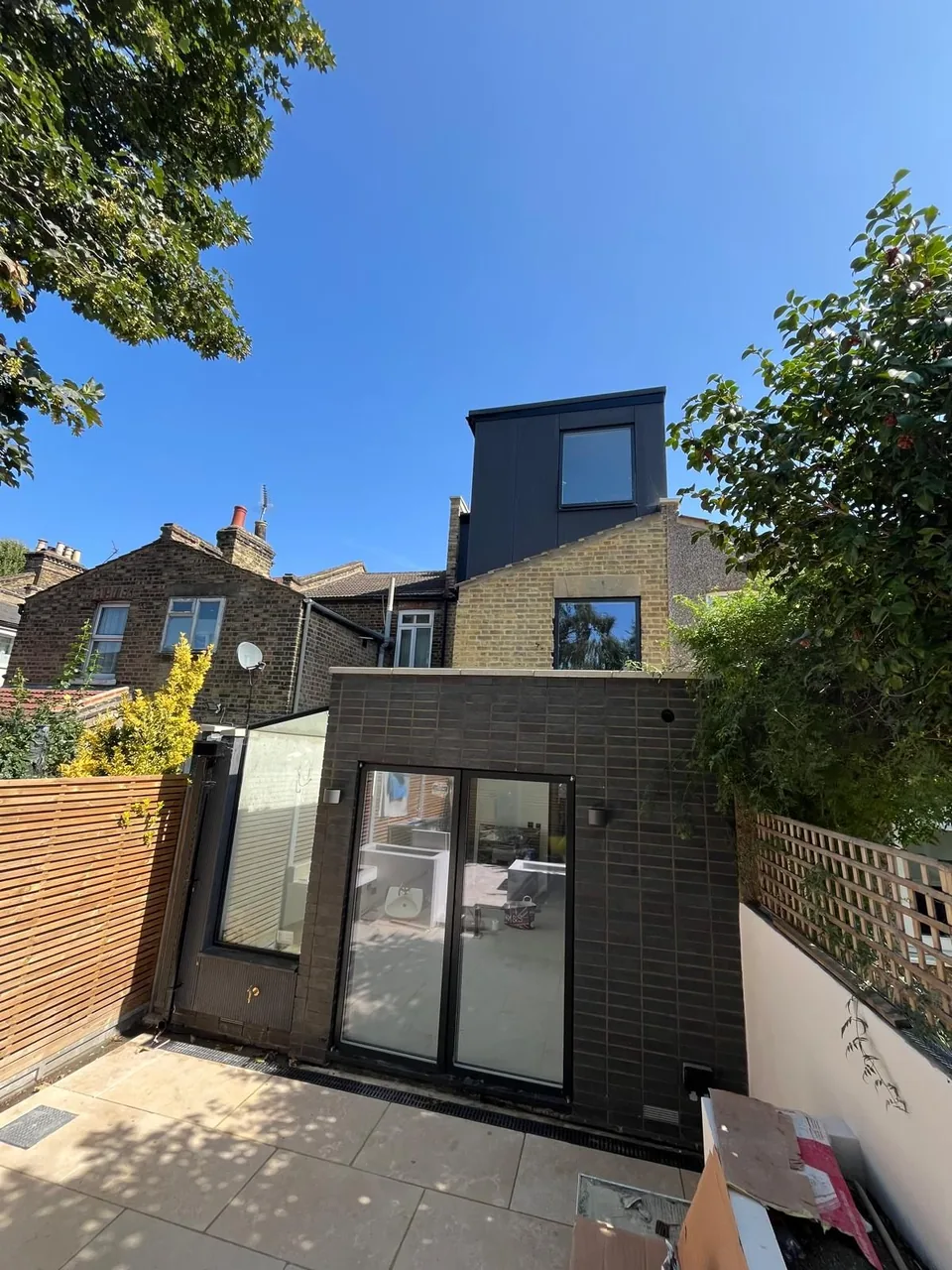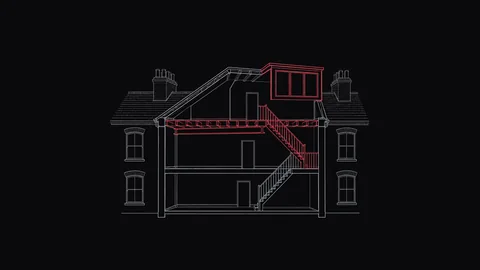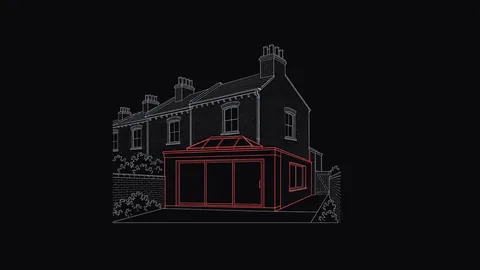
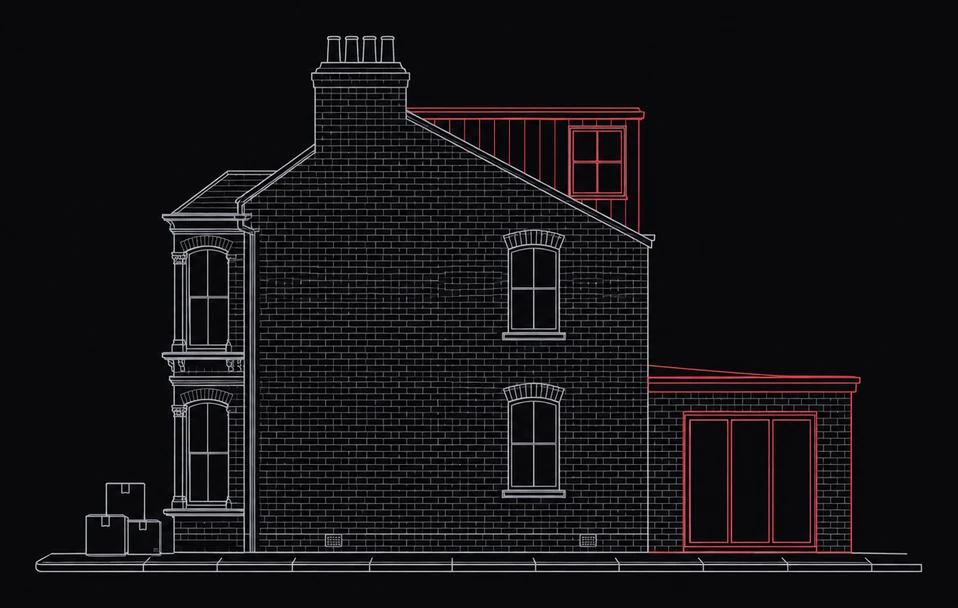
Illustration of a London terraced house with a new loft dormer and a rear kitchen extension, with moving boxes stacked outside

Interest rates have risen to 4%: should you extend or move in London?

On 5 November 2026 the Bank of England raised Bank Rate from 3.75% to 4%, the first rise in more than three years. Borrowing now costs more whether you move to a bigger house or build more space where you are. For many London homeowners a loft conversion or a house extension still costs less than moving, but the comparison needs today’s numbers, and building costs have risen as well.

What changed on 5 November

The Monetary Policy Committee voted eight to one to raise Bank Rate by 0.25 percentage points to 4%; one member wanted 4.25%. Its next decision is due on 17 December 2026. Lenders followed: the average two-year fixed mortgage reached 5.97% on 5 November, up from 4.83% at the start of the year, according to Moneyfacts figures reported by the Telegraph, and around 2.3 million households reach the end of a fixed rate in 2027.

For anyone planning building work, the change is simple: money borrowed through a remortgage, a further advance or a loan costs more each month than it did in the spring. A project budget now needs a monthly figure as well as a total.
Extend or move: the sums for a London house

Moving to a house with one more bedroom means stamp duty, estate agent and legal fees, removal costs and a larger mortgage taken out at today’s rates. Extending means the build cost, the fees for drawings, building control and any party wall surveyor, and only the extra borrowing for the work; you keep the house, the street and often your current mortgage deal for the rest of its term.

The usual ways to add a bedroom in London are a loft conversion, which adds a room and often an ensuite without using any garden, and a house extension: a single storey rear or side return extension for a bigger kitchen, or a two storey extension that adds a bedroom as well. Loft conversion cost in London and house extension cost both depend on the house, so set them against the cost of moving with a written quote for your house, not an average. Our pages on what changes the price of a loft conversion in London and what changes the house extension cost list the lines that make up a quote.

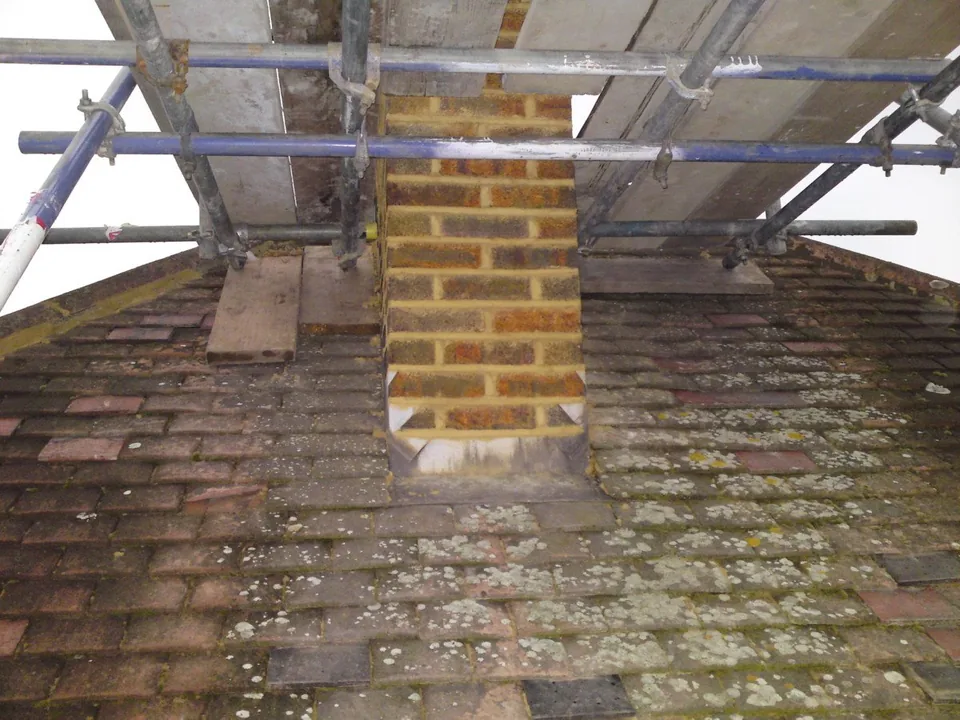
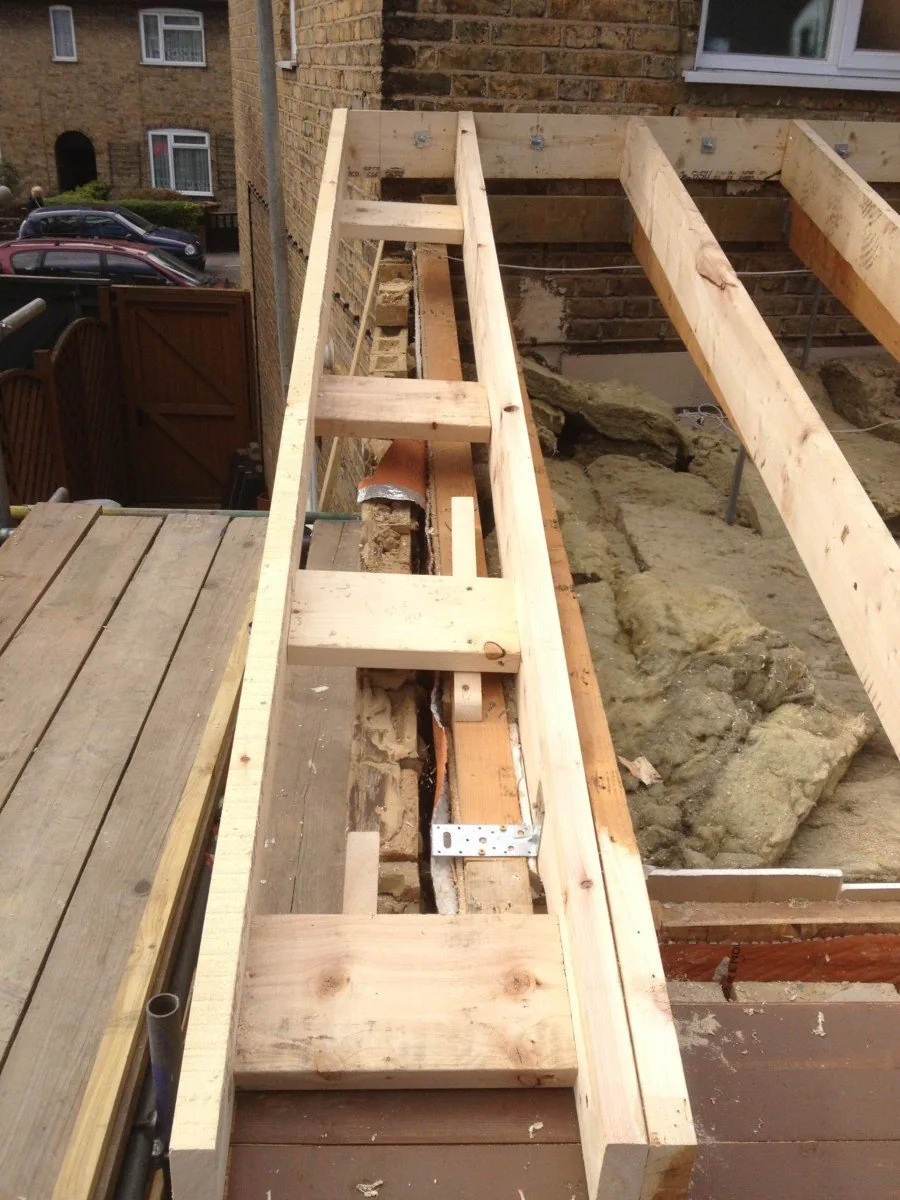
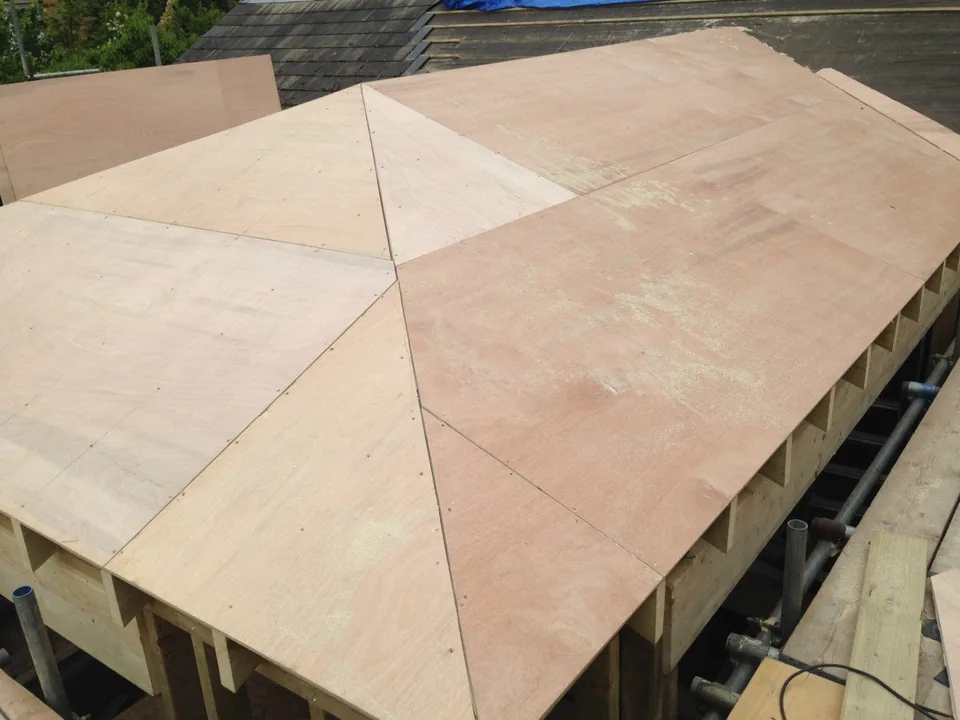
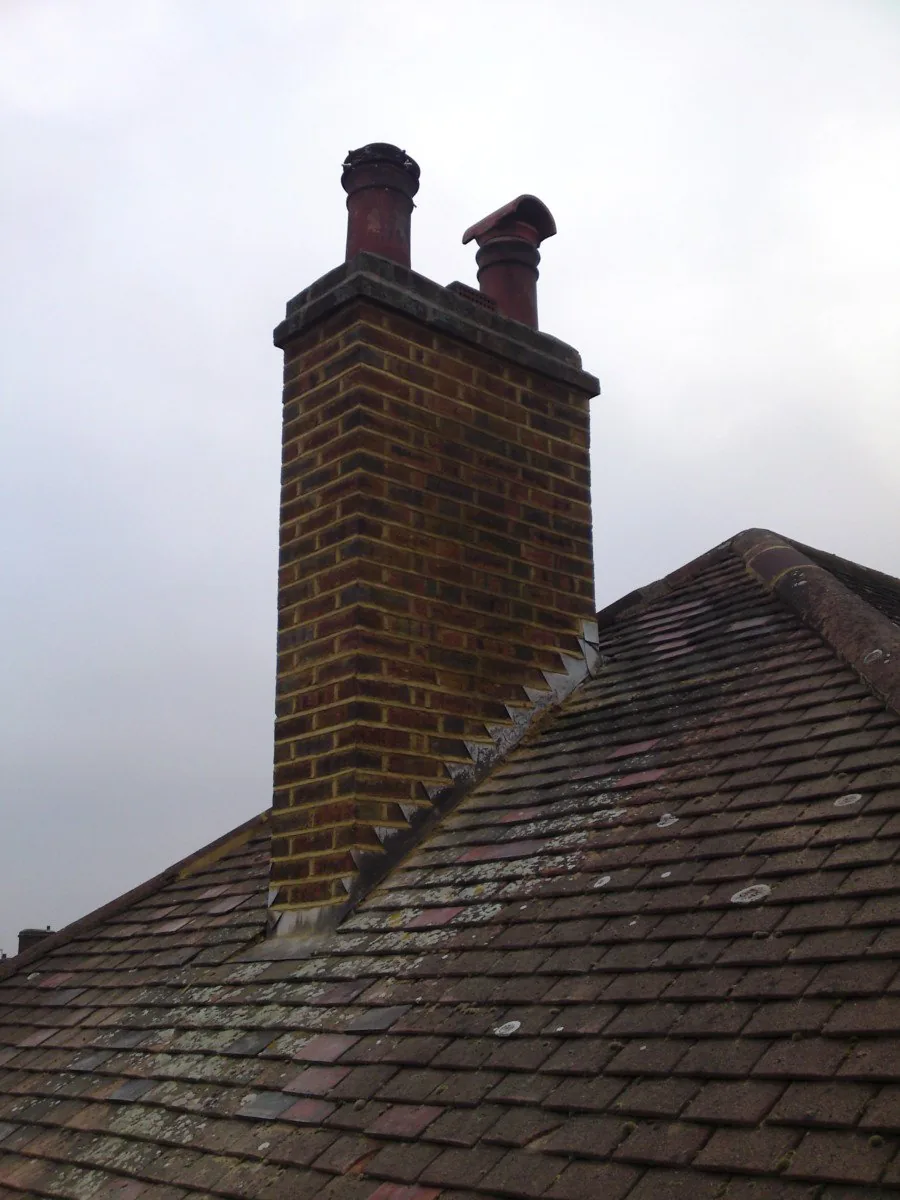
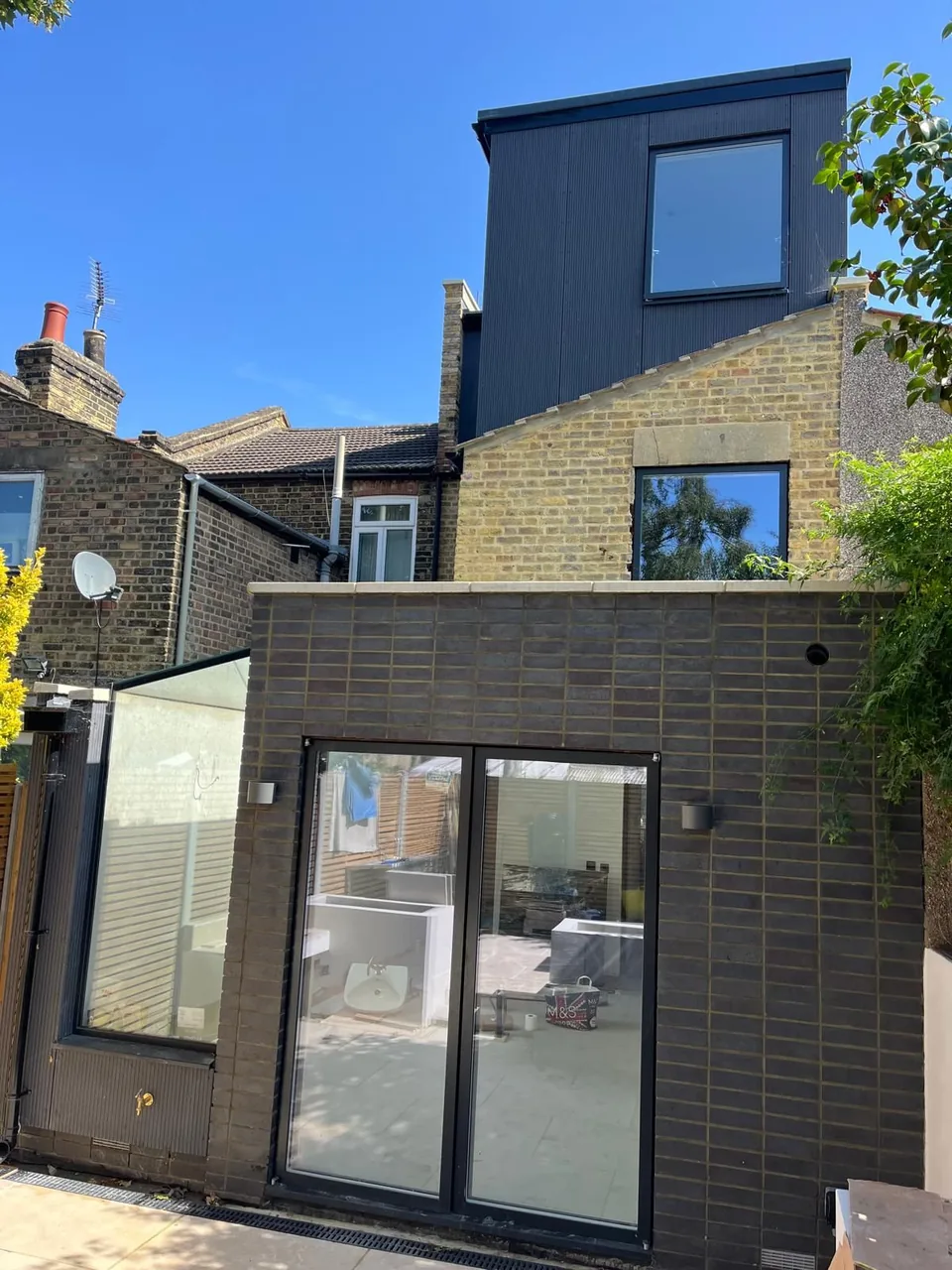
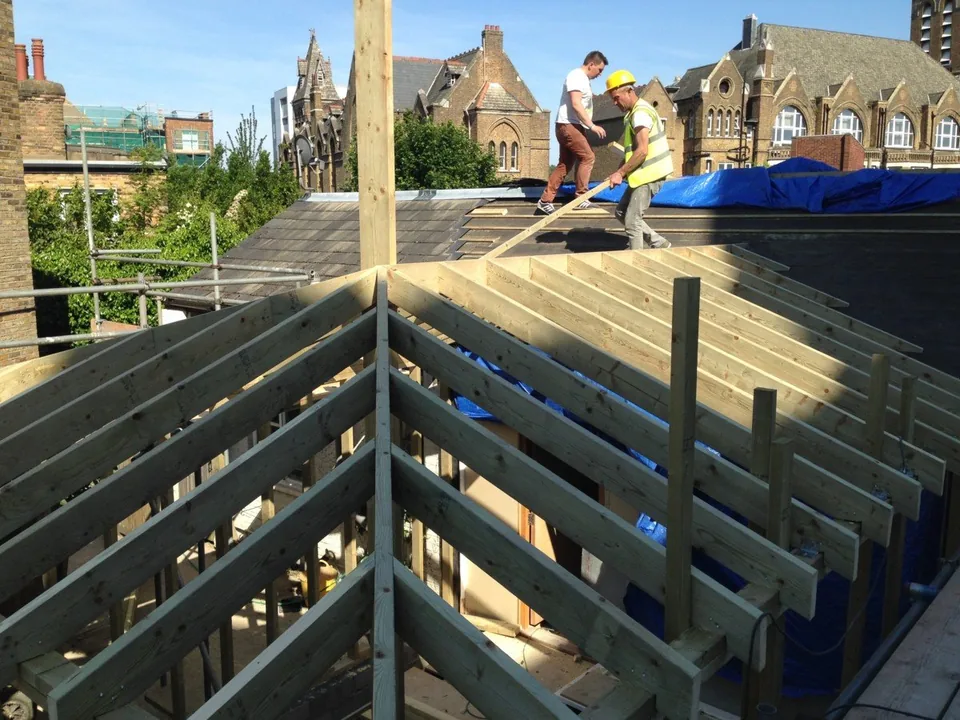
Closer rear view of the dormer, KRAMAN Ltd, LondonTimber rafters forming the hipped roof of the Highgate extension during construction, KRAMAN Ltd, LondonChimney stack on a tiled roof in Stratford during repair, under scaffolding, KRAMAN Ltd, LondonTimber joists and insulation during roof work on the Walthamstow house, KRAMAN Ltd, London

Building costs are rising too

Official figures published on 4 November show material prices for all construction work up 7.2% in the year to September 2026, with fabricated structural steel up 19.9%. Many loft conversions and rear extensions need steel beams, so the rise can show in a two storey extension cost or a single storey extension cost quoted this winter. The National Living Wage rises to £13.21 an hour on 1 April 2027, which feeds into labour costs from the spring.

At the same time, the Federation of Master Builders reports that enquiries to builders in Greater London fell in the first half of 2026, with a net balance of minus 3%, as homeowners held back. When prices move every month, ask for a fixed, itemised quote: it shows which lines are fixed and which are provisional sums.

Dates to plan around in 2027

17 December 2026
the next Bank Rate decision.
24 March 2027
the Future Homes and Buildings Standards (the Future Homes Standard) begin to come into force for new homes and buildings. The 28 October Budget said there will be no other major changes to the building regulations for the rest of this Parliament, apart from building safety work.
31 March 2027
the 0% VAT rate on installing energy-saving materials in homes ends, and 5% applies from 1 April 2027. Which work qualifies is set by HMRC’s rules, so ask your installer whether it covers yours.
1 April 2027
the National Living Wage rises to £13.21 an hour.
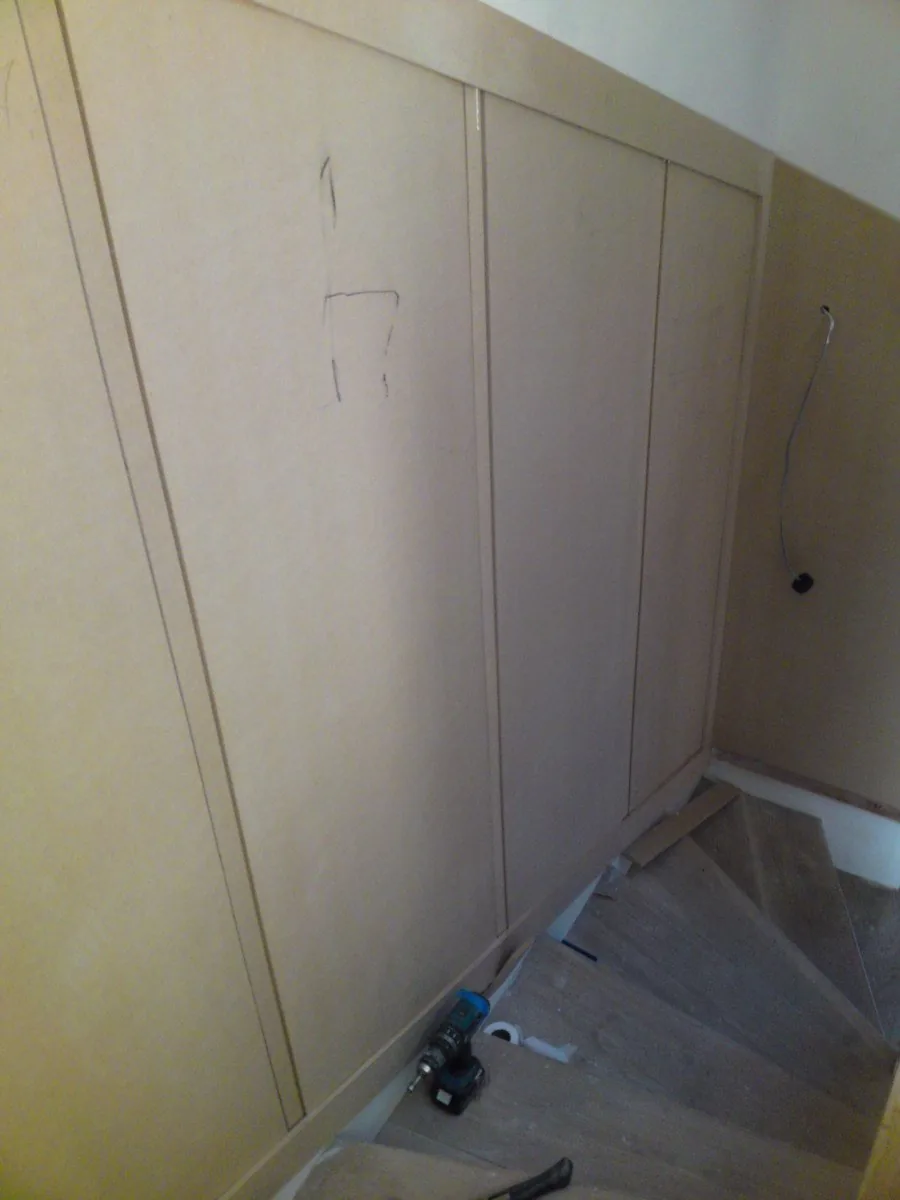
Panelling being fitted along a staircase wall in Winchmore Hill, before painting, KRAMAN Ltd, LondonThe rear extension and roof addition viewed from the garden, KRAMAN Ltd, LondonPlywood sheathing on a new hipped roof in Highgate, before the roof covering, KRAMAN Ltd, LondonBrick chimney stack with chimney pots on a tiled roof in Stratford after repair, KRAMAN Ltd, London

What to do now if you are weighing up a loft or an extension

  1. Check whether the work can be permitted development or needs planning permission. Many loft conversions in East London can be built under permitted development, and a Lawful Development Certificate confirms it; a conservation area changes that.
  2. Have drawings and structural calculations prepared for building regulations approval.
  3. Find out whether you need to serve party wall notice; a party wall agreement, in the form of a written consent or an award, is needed before work on a shared wall starts.
  4. Get itemised quotes from two or three extension builders in London against the same drawings, using the checks in our guide to choosing a building contractor.
  5. Match the programme to your mortgage: if your fixed rate ends in 2027, line up the design and quotes now, so the borrowing and the build fit together.

If you live in Leytonstone or elsewhere in East London, we are builders in East London based in E11, and the first site visit is free. Call Alex on 07717 778 612 or use the contact form, and we will price a loft conversion or extension for your house so you can set it against the cost of moving.

Questions people ask

What are the Future Homes Standards?

The Future Homes and Buildings Standards are new energy and carbon standards for new homes and buildings in England, which begin to come into force on 24 March 2027; they apply to new builds, not to extensions.

Is it cheaper to extend or move in London?

Compare the two in writing: moving adds stamp duty, agent and legal fees and a larger mortgage at current rates, while extending adds only the build cost, its fees and the extra borrowing for the work. It depends on the house: compare a written quote for a loft conversion or extension with the full cost of moving.

Will interest rates go up again?

The Bank of England next decides on 17 December 2026. In its November minutes the median expectation in its survey of market participants was for Bank Rate to reach 4.25% in February 2027, but the Committee sets the rate at each meeting.

Why are builders' quotes higher this winter?

Material prices for construction work rose 7.2% in the year to September 2026, with structural steel up 19.9%, according to official statistics published on 4 November. Labour costs rise again when the National Living Wage goes up on 1 April 2027.

Do the building regulations change in 2027?

The Future Homes and Buildings Standards begin to come into force on 24 March 2027 for new homes and buildings. The government said in the 28 October Budget that it will make no other major changes to the building regulations for the rest of this Parliament, apart from building safety work.

Read next

Call us