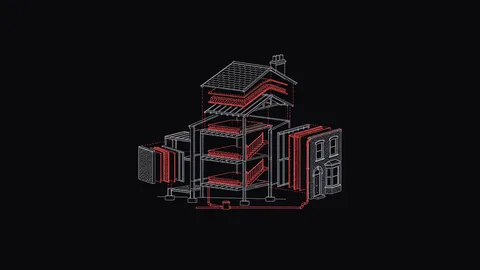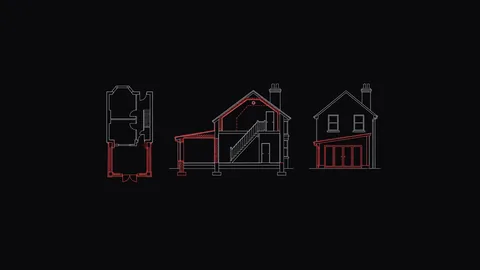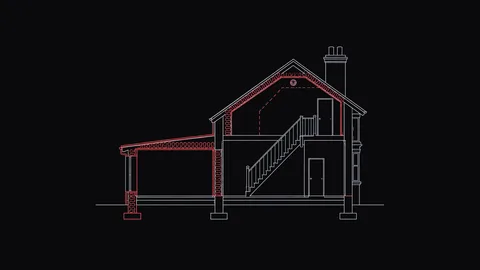
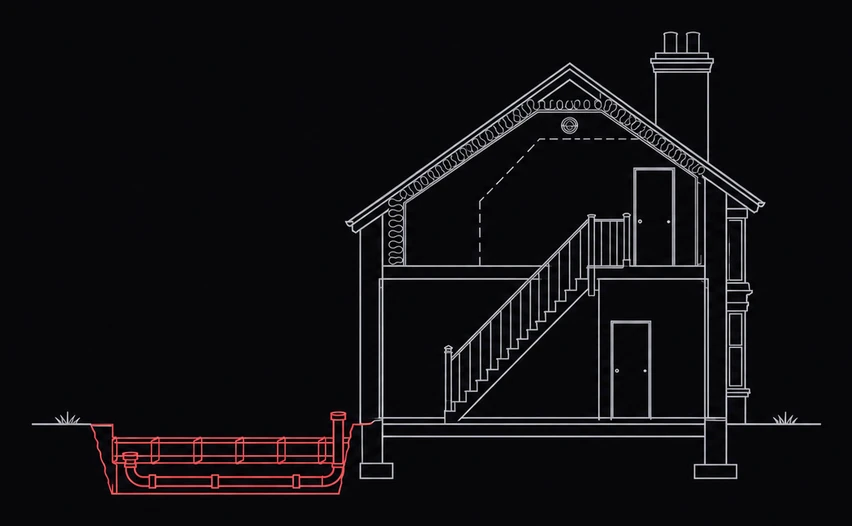
Illustration of an extension under construction at foundation stage, with an open trench, steel reinforcement and a drain run ready for inspection

Building control in London: council or approver, full plans or building notice, inspections

Building control is the check that building work meets the building regulations. For a London homeowner it means choosing who checks the work, choosing how to apply, and letting the inspector see the work at the right moments. This guide explains each choice.

Who does building control

You can use the building control service of your council, often marketed through LABC, or a private registered building control approver. Registered building control approvers replaced approved inspectors under the Building Safety Act 2022, with the new title in use since April 2024; both are regulated by the Building Safety Regulator. Either can check an extension or loft conversion, and the fees vary, so it is worth asking two for a quote.
Full plans or building notice

With a full plans application, you send drawings, specifications and structural calculations first, and the council approves them before work starts, usually within five weeks, or two months if you agree. Any changes are settled on paper, and the approval protects you if a problem is found later. With a building notice, work can start two days after the notice with no plans approved, and the inspector checks as the work goes; it suits small, simple jobs. A building notice cannot be used for some work, such as building over or near a public sewer. A private approver uses an initial notice instead, which covers the same ground.

For a loft conversion or an extension with steel, full plans is the safer route: the drawings and calculations are agreed before anything is built. Our guide to building regulations drawings lists what they contain.

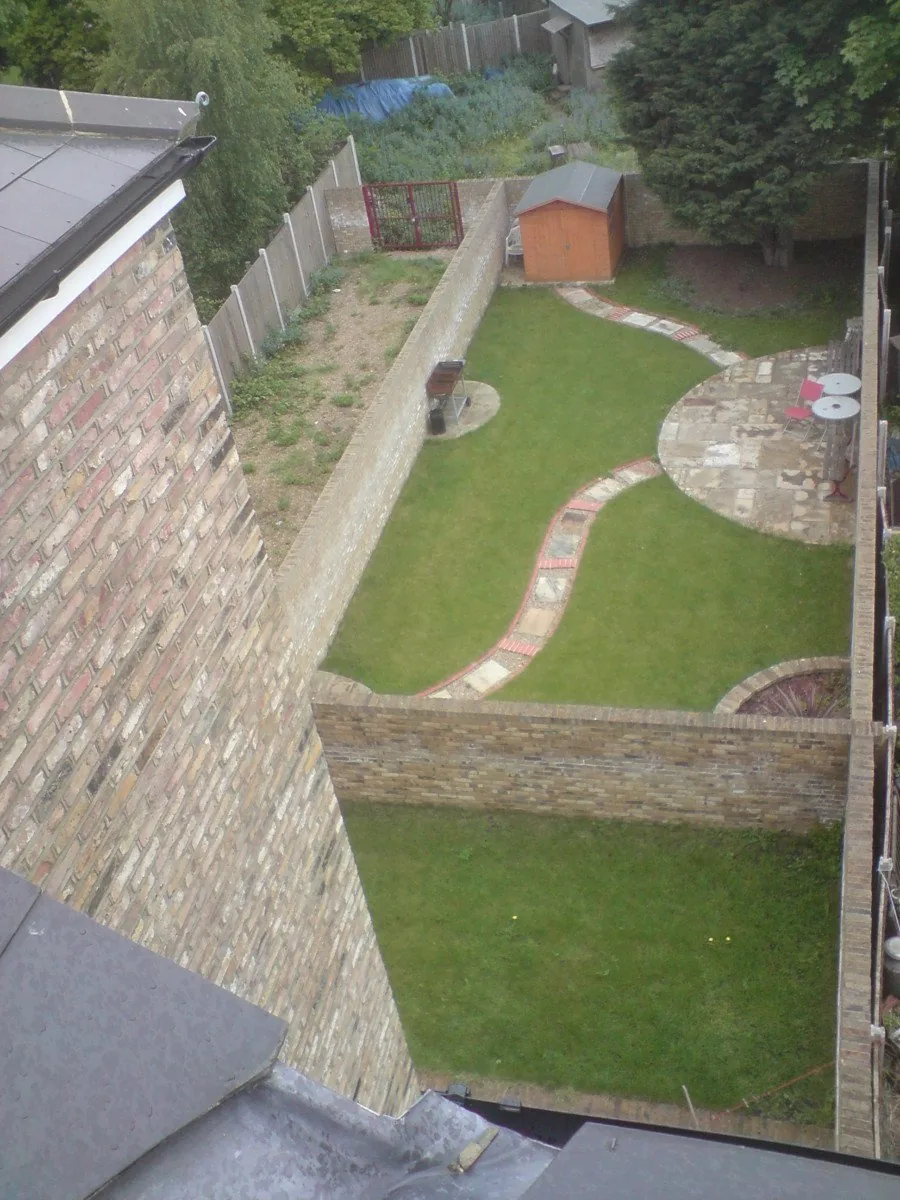
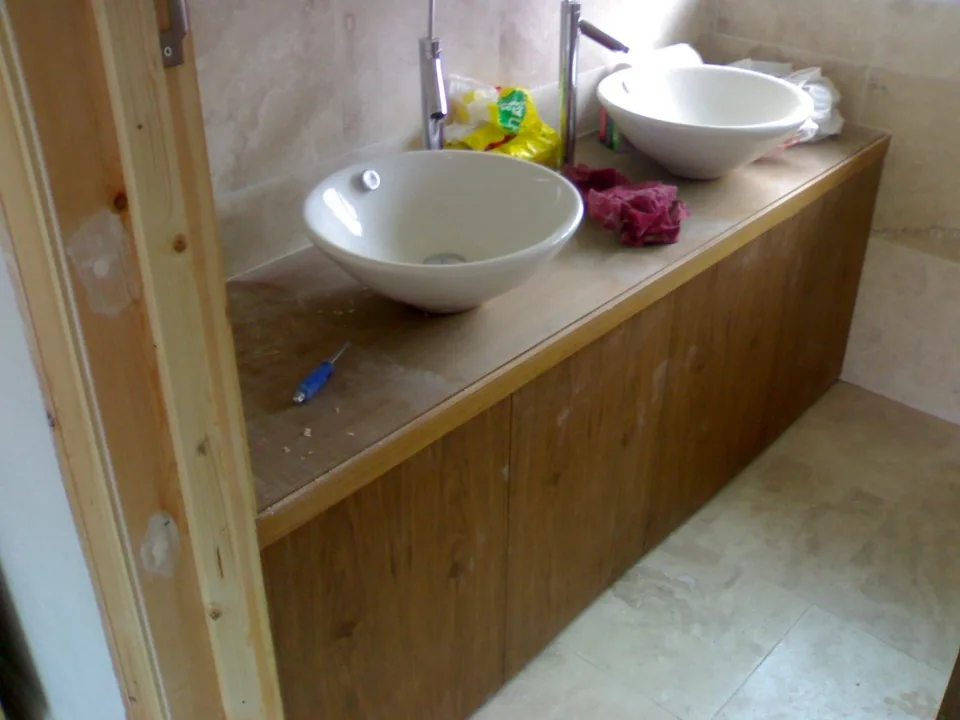
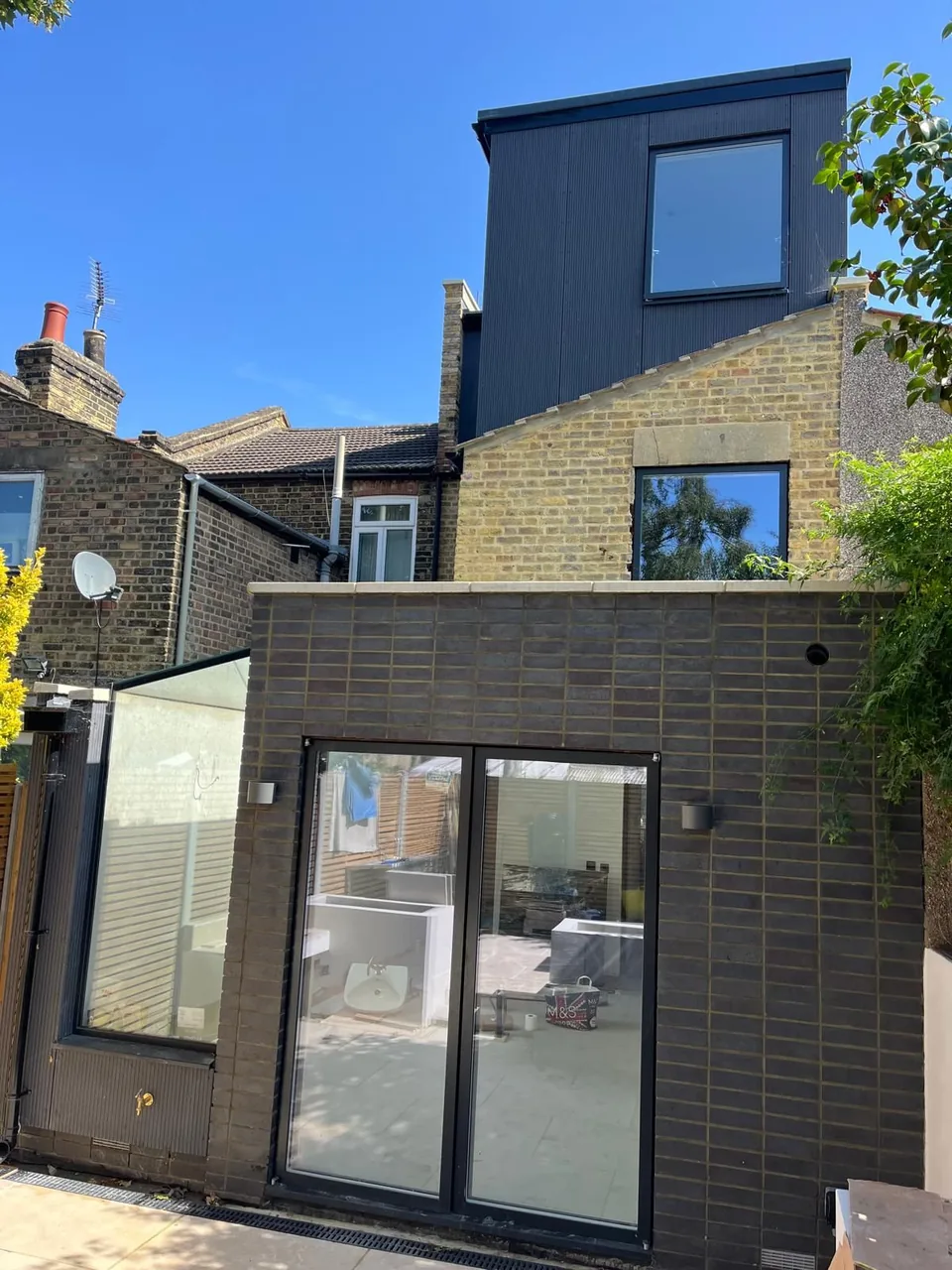
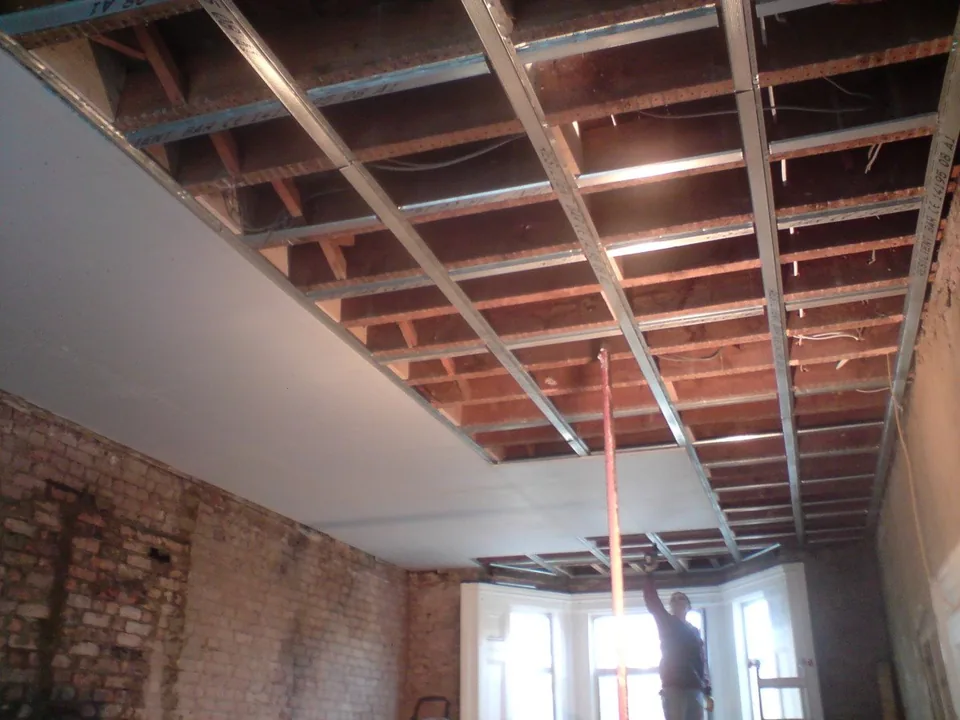
Closer rear view of the dormer, KRAMAN Ltd, LondonExposed timber ceiling joists and brickwork during the Brockley house renovation, KRAMAN Ltd, LondonRear garden after landscaping: lawn, curved paving, a low dividing wall and a timber shed, KRAMAN Ltd, LondonTimber vanity unit with two countertop basins during fitting, KRAMAN Ltd, London

Inspections during the work

Building control tells you which stages it wants to see, and you or your builder book each visit. Typical stages for an extension are the foundation excavation, the concrete, the damp proof course, the drains before they are covered, structural steel, insulation before it is covered and completion. Work covered up before an inspection may have to be opened up again, which costs time and money.

Completion certificate and records

After the final inspection, the council issues a completion certificate, or a private approver issues a final certificate and sends it to the council. Electrical, gas, window and other installer certificates come from the registered installers. Keep them all with the planning papers; a buyer’s solicitor asks for them. Our completion certificate guide explains what to do if one is missing.

Work done without building control

For work carried out without approval after 11 November 1985, the council can accept a regularisation application: it inspects the work, may ask for parts to be opened up and may require changes, then issues a regularisation certificate. A private approver cannot regularise work.

Questions people ask

What does a building control inspector check?

The work against the approved plans and the building regulations at each stage: foundations, damp proofing, drains, structure, insulation, fire safety and the finished building.

Building control private or council: which should I use?

Either can check a house extension or loft; compare fees and availability, and remember that only the council can regularise work already done without approval.

What does building control do?

It checks that building work meets the building regulations, by approving plans, inspecting the work at key stages and issuing a completion or final certificate.

Is private building control better than the council?

Both check the same regulations; a registered building control approver may be quicker to book or cheaper, while only the council can regularise work done without approval.

How long does a full plans approval take?

The council must decide within five weeks, or within two months if you agree to the extension.

Can I start work before building control approval?

With a building notice, two days after giving it; with full plans you can start before approval at your own risk, but most builders wait.

What is an approved inspector now called?

A registered building control approver, under the Building Safety Act 2022 regime in use since April 2024.

Call us