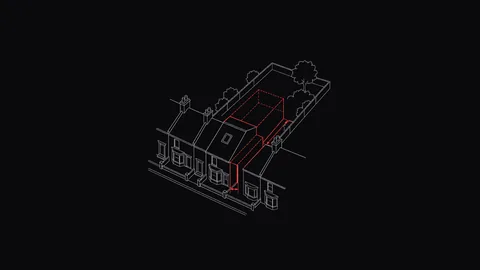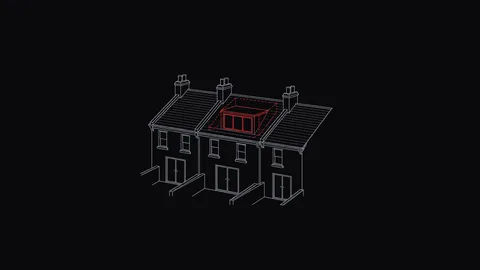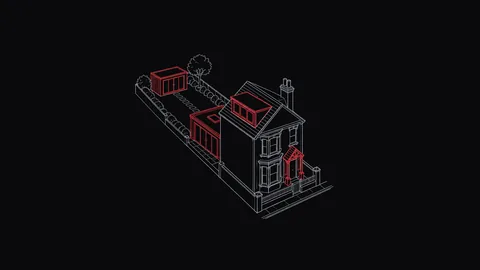
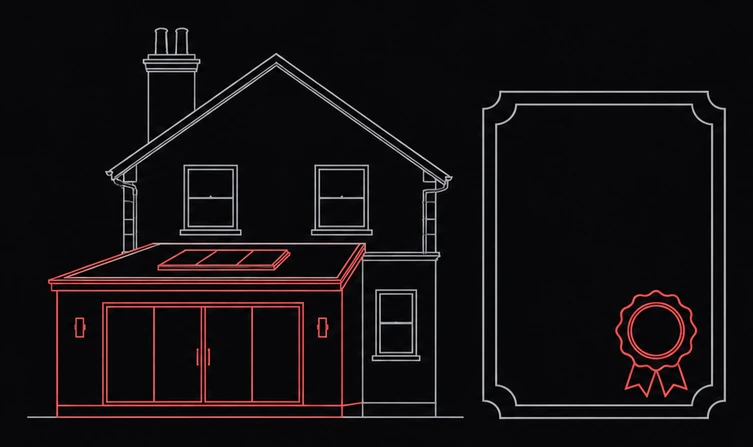
Illustration of a house with a finished rear extension beside a blank certificate document with a seal

Certificate of lawfulness: lawful development certificates for extensions, lofts and uses

A certificate of lawfulness, usually called a lawful development certificate, is the council confirming in writing that a use or building work is lawful and needs no planning permission. For a London loft or extension built under permitted development, it is the paper a buyer’s solicitor asks for. Here is how it works.

Proposed and existing certificates

There are two kinds. A certificate of lawfulness of proposed use or development confirms, before work starts, that a planned loft conversion, extension or outbuilding is permitted development. A certificate of lawfulness of existing use or development confirms that something already built or already in use is lawful, for example because it was permitted development or because the time for enforcement has passed: ten years for most breaches in England since 25 April 2024, while building work substantially completed before that date keeps the old four-year period. They are made under sections 192 and 191 of the Town and Country Planning Act 1990.
When to apply for a lawful development certificate

  • Before building a loft or extension under permitted development, so there is no doubt later.
  • When selling a house with a loft or extension built without planning permission.
  • When the limits are close: a dormer near the 40 cubic metre allowance or an extension near the boundary.
  • For a change of use within permitted development, such as a house becoming a small HMO where the rights allow it.
  • For an outbuilding or garden room whose use or size might be questioned.

It is voluntary: permitted development is lawful without one. Our guides to extension and loft conversion limits explain what counts.

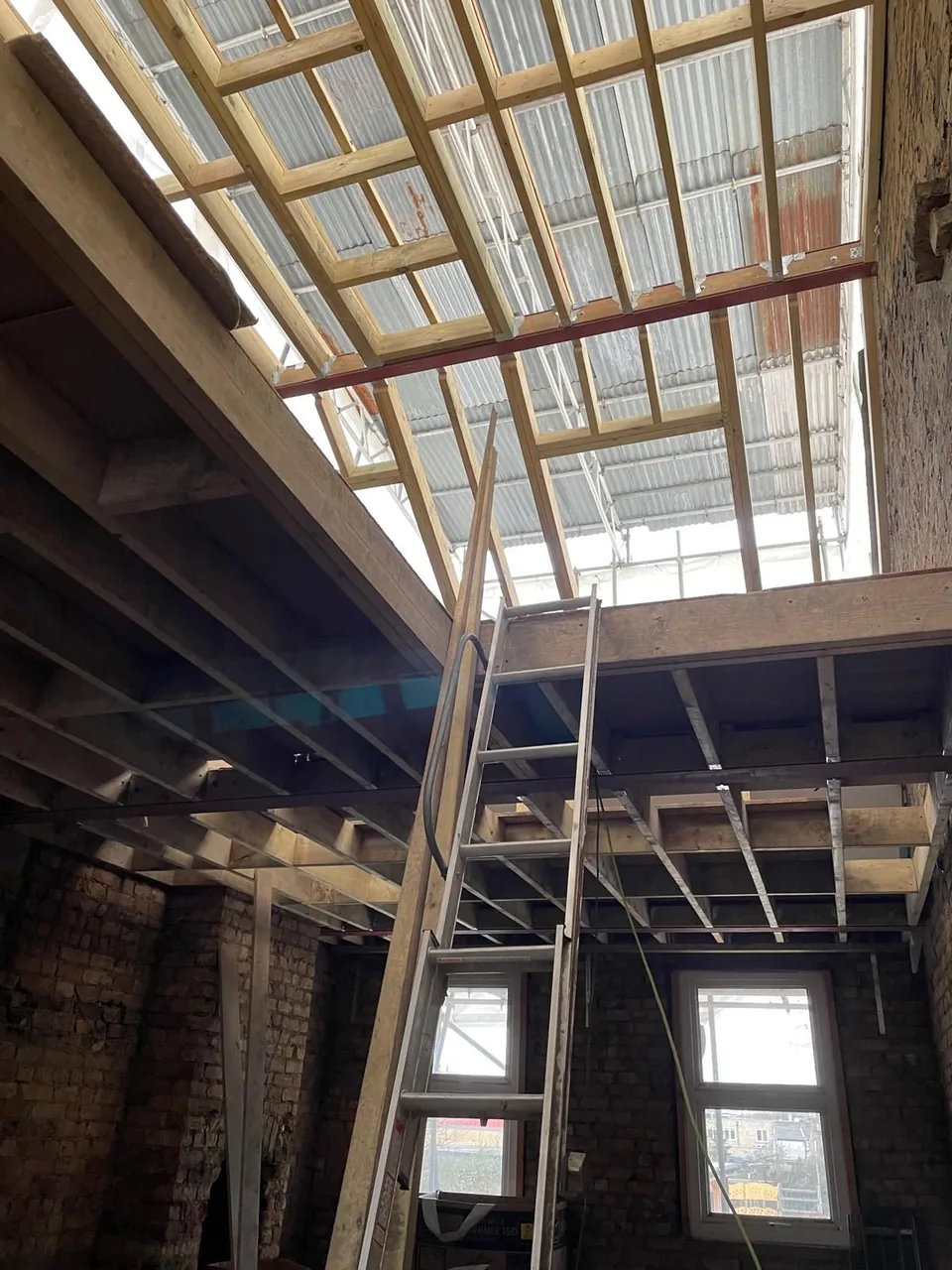
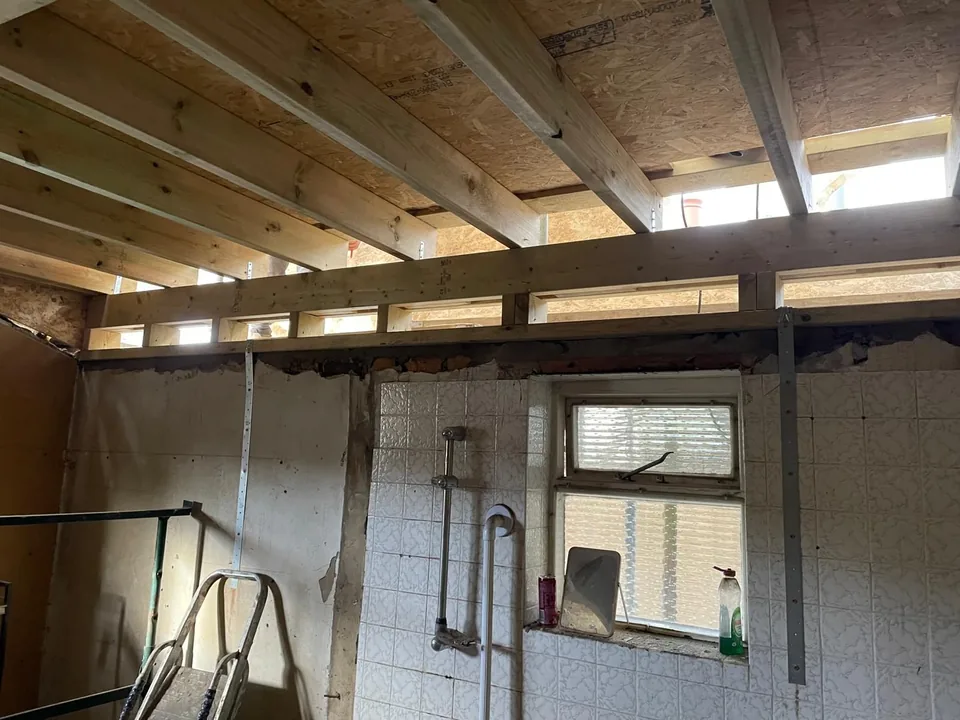
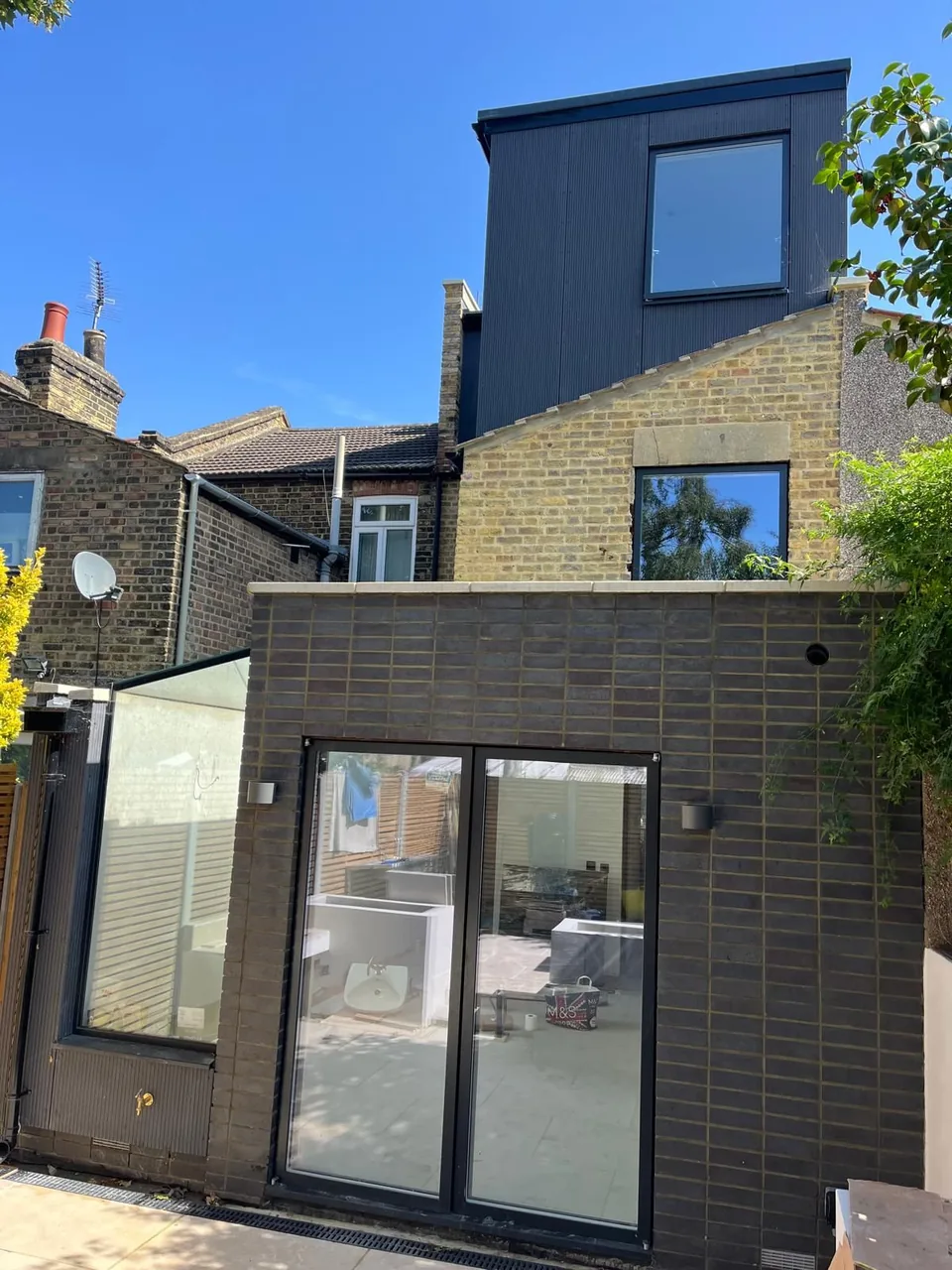
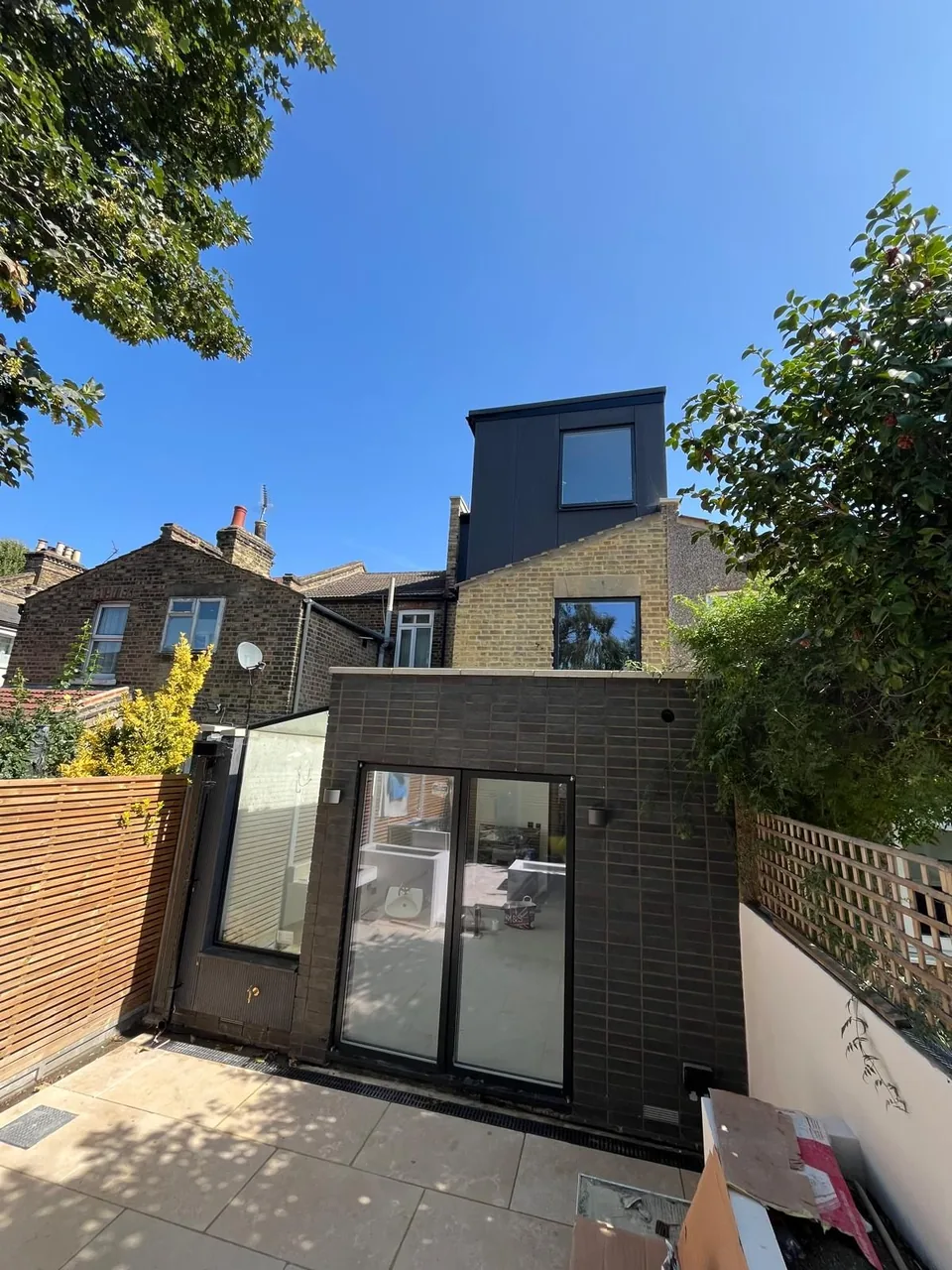
Closer rear view of the dormer, KRAMAN Ltd, LondonThe rear extension and roof addition viewed from the garden, KRAMAN Ltd, LondonTimber framing and exposed internal structure during the building work, KRAMAN Ltd, LondonInternal construction stage with exposed brickwork and timber joists overhead, KRAMAN Ltd, London

What the application needs

For a proposed development: drawings of the existing and proposed house, a site plan and a short statement of why the work is permitted development. For an existing use or development: evidence that it has existed for the required time or met the rules when built, such as dated photographs, invoices, council tax records and statutory declarations; the council decides on the balance of probability. Applications are made through the Planning Portal or to the council, with a fee; a proposed certificate costs half the fee for a planning application of the same kind.

Timescales, refusals and appeals

The council should decide within eight weeks unless a longer period is agreed. Neighbours are not consulted on a proposed certificate, because the question is legal, not a matter of opinion. If it is refused, you can appeal to the Planning Inspectorate, apply for planning permission instead, or change the design to fit the limits.

Questions people ask

What is a certificate of lawfulness?

A certificate from the council confirming that a use or building work is lawful and does not need planning permission, either proposed or already existing.

Do I need a lawful development certificate for a loft conversion?

It is not compulsory if the loft is permitted development, but it is the usual proof for a buyer’s solicitor and confirms the design before work starts.

How long does a lawful development certificate take?

The council should decide within eight weeks of a valid application unless a longer period is agreed.

How much does a lawful development certificate cost?

A proposed certificate costs half the fee for the equivalent planning application; the Planning Portal fee calculator gives the current figure.

Can I appeal a refused lawful development certificate?

Yes, to the Planning Inspectorate; you can also apply for planning permission or change the design.

Call us