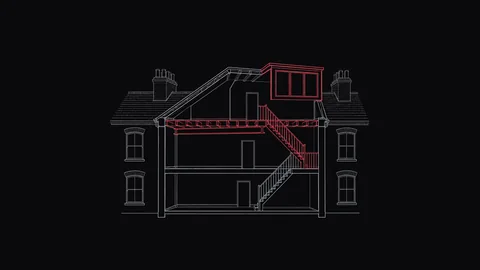
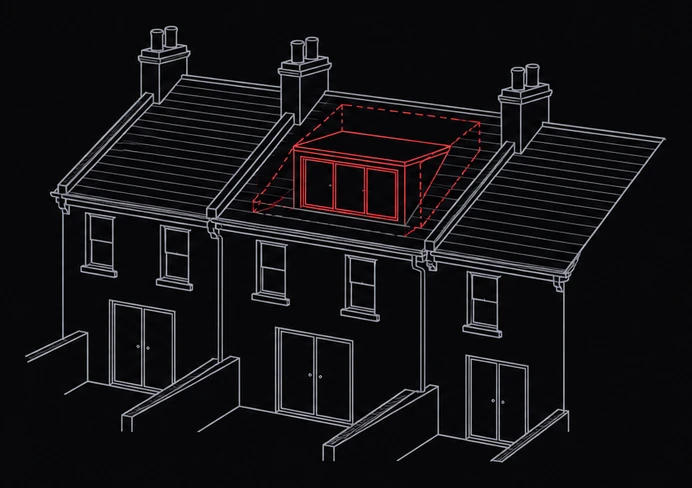
Illustration of a terraced roof with a rear dormer and the permitted development volume shown as a red outline, set back from the eaves

Loft conversion planning permission: when you need it and the permitted development limits

Most rear dormer and hip to gable loft conversions in London need no planning application: they are permitted development under Class B of the GPDO. Mansards, front dormers, balconies and lofts in conservation areas usually need planning permission. This guide sets out the limits and how to check your house.

Loft conversion permitted development limits

  • Extra roof volume of no more than 40 cubic metres on a terraced house, or 50 cubic metres on a semi-detached or detached house, including any earlier roof additions.
  • Nothing higher than the highest part of the existing roof.
  • No roof extension on the principal elevation facing a road, so front dormers need planning permission.
  • Materials similar in appearance to the house.
  • The dormer set back at least 20 cm from the eaves, as far as practicable.
  • Side-facing windows obscure glazed and non-opening below 1.7 metres.
  • No verandas, balconies or raised platforms.

Rooflights that project no more than 150 mm from the roof slope are allowed under Class C. An attic conversion follows the same rules. Hip to gable and L shaped loft conversions are assessed under the same Class B volume limits.
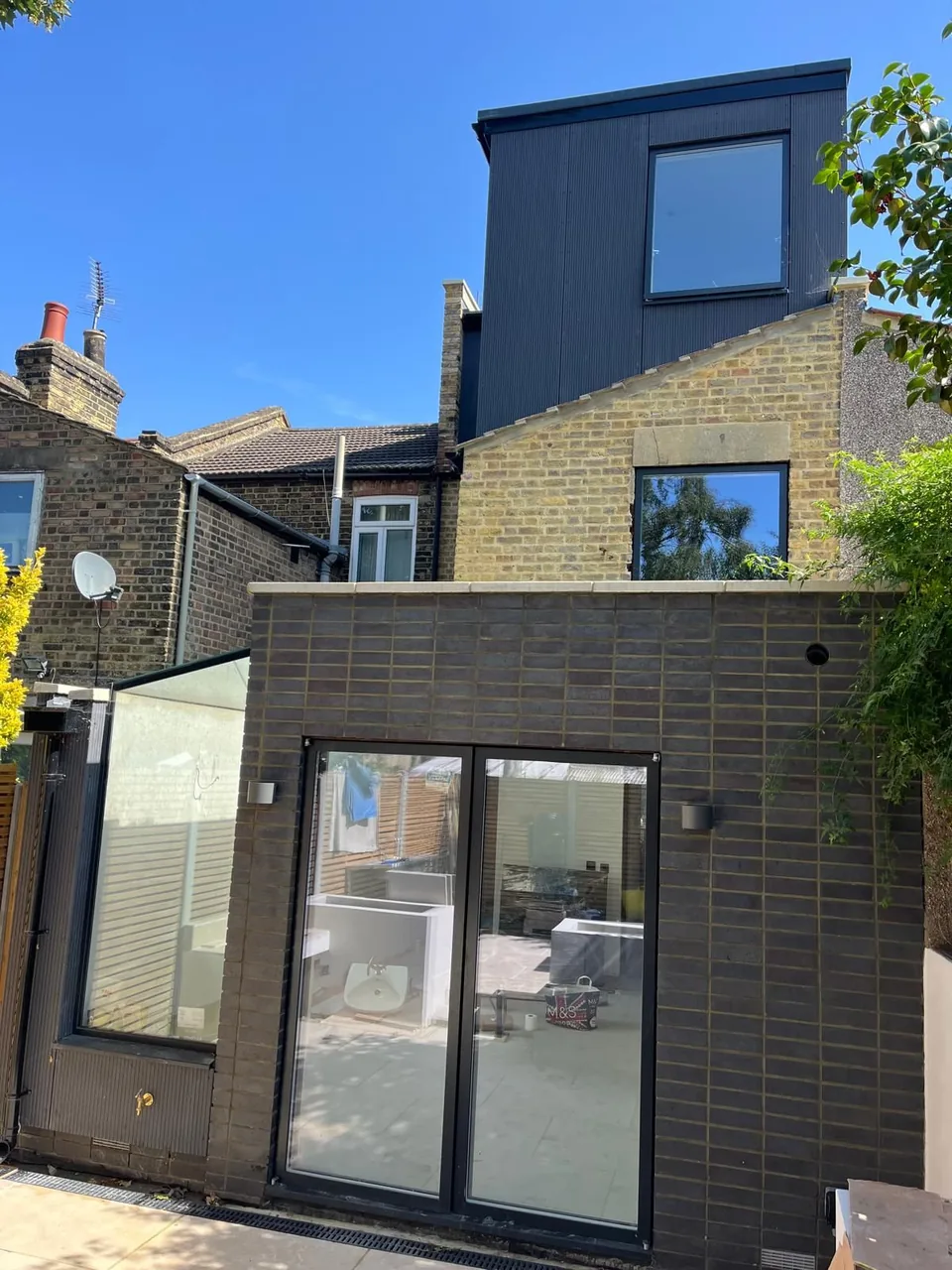
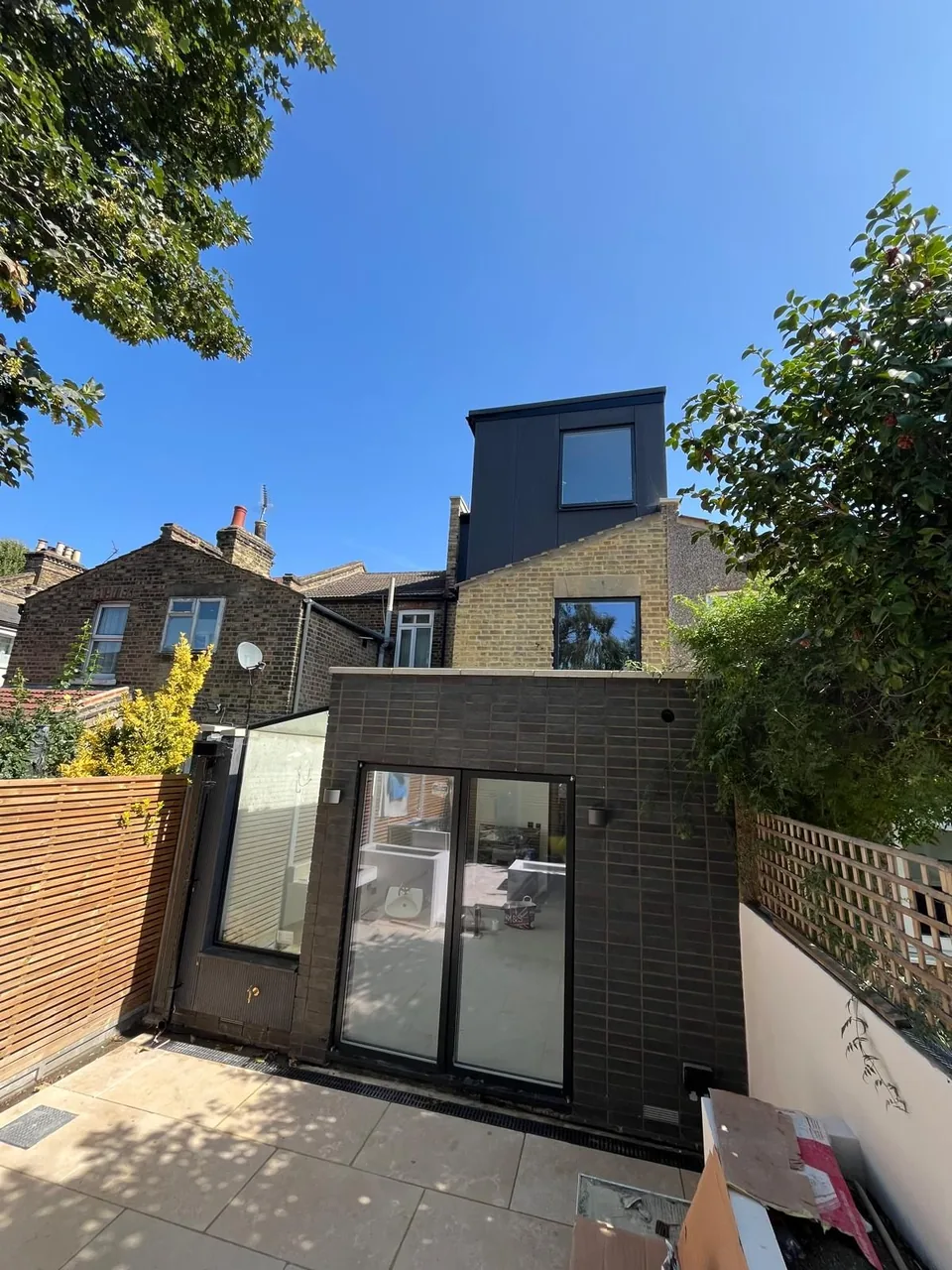
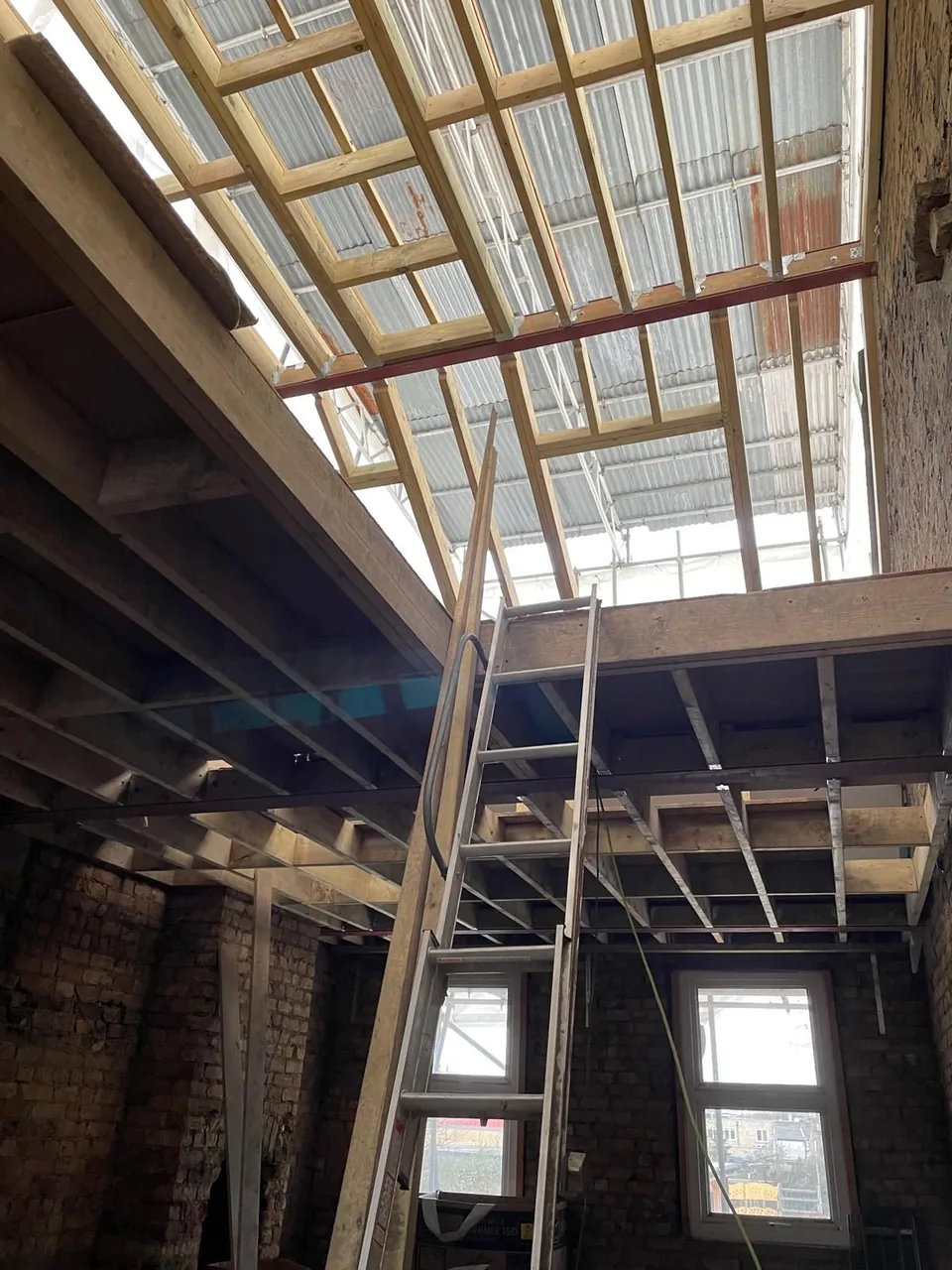
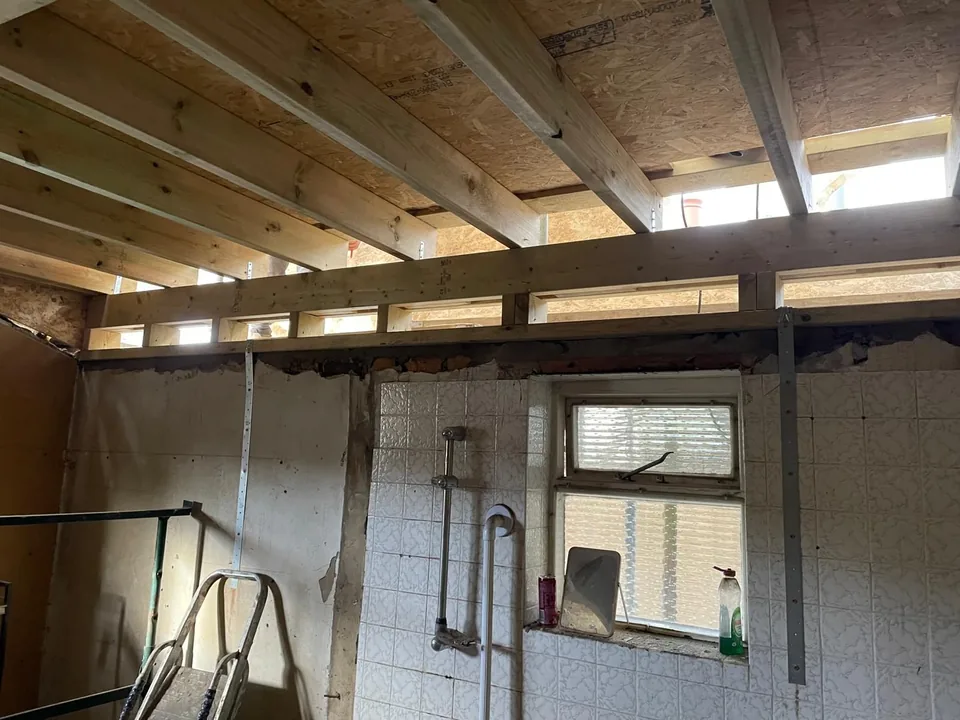
Closer rear view of the dormer, KRAMAN Ltd, LondonThe rear extension and roof addition viewed from the garden, KRAMAN Ltd, LondonTimber framing and exposed internal structure during the building work, KRAMAN Ltd, LondonInternal construction stage with exposed brickwork and timber joists overhead, KRAMAN Ltd, London

Loft conversions that need planning permission

  • A mansard, which usually exceeds the limits and changes the shape of the roof; many London boroughs have design guidance for rear mansards on terraces.
  • A front dormer, or any dormer facing the road.
  • A balcony or roof terrace.
  • Any roof enlargement in a conservation area, on a listed building, or where an Article 4 direction or a planning condition has removed the rights.
  • A loft in a flat or maisonette, which has no permitted development rights.

Adding a whole storey to a house can be possible under Class AA with prior approval, for houses built between 1948 and 2018 within its limits. Our loft conversion page compares dormers and mansards.

The planning application or the certificate

Where planning permission is needed, the application includes drawings, a site plan and the fee, and the council usually decides within eight weeks. Where the loft is permitted development, a Lawful Development Certificate confirms it before work starts; it is voluntary, but buyers’ solicitors ask for it. Either way the loft needs building regulations approval for the structure, fire safety, stairs and insulation, and often party wall notices.

Questions people ask

Do I need planning consent for loft conversion work in a conservation area?

Yes for any roof enlargement, such as a dormer or a mansard, because permitted development for roof additions does not apply in conservation areas; rooflights may still be allowed.

Do I need planning permission for a loft conversion?

Not if it stays within the permitted development limits and the house keeps its rights: up to 40 cubic metres on a terraced house and 50 on a semi or detached house, not facing the road.

Is a rear dormer permitted development?

Usually yes, within the volume limits, set back from the eaves and in materials similar to the house; not in a conservation area.

Does a mansard loft conversion need planning permission?

Almost always, because it usually exceeds the permitted development limits and changes the roof shape.

Can I have a balcony on a loft conversion without planning permission?

No. Balconies and roof terraces are excluded from permitted development and need planning permission.

How long does loft conversion planning permission take?

The council usually decides a householder application within eight weeks; a Lawful Development Certificate also has an eight week target.

Call us