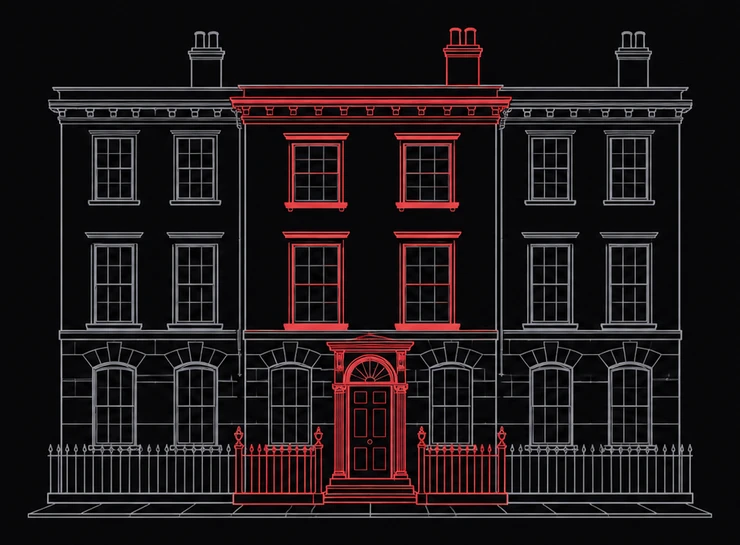
Illustration of a Georgian listed terraced house facade with sash windows, cornice and railings, the original features picked out in red

Listed building consent: when you need it, how to apply and locally listed buildings

Listed building consent is the permission needed to alter, extend or demolish a listed building in a way that affects its character, inside or out. It is separate from planning permission and from building regulations, and working without it is a criminal offence. Here is when you need it and how to apply.

Under the Planning (Listed Buildings and Conservation Areas) Act 1990, consent is needed for any works to demolish a listed building, or to alter or extend it in a way that affects its character as a building of special architectural or historic interest. That covers the whole building, inside and out, whatever its grade, and often structures within its curtilage built before 1948. Typical examples are replacing windows or doors, removing walls or chimney breasts, new bathrooms that cut into historic fabric, changing roof coverings, rendering or painting brickwork, and internal alterations to plan, plasterwork or joinery.
Repairs and like-for-like work

Repairs that use matching materials and methods, such as repairing original sash windows, may not need consent if they do not affect character; the council decides, so ask its conservation officer before starting. Our listed building restoration page describes the lime plaster, sash window and joinery repairs we carry out.

How to apply

Apply to the council, usually through the Planning Portal, with drawings, photographs and a heritage statement explaining the significance of the parts affected and how the work respects them. There is no fee for a listed building consent application. Most need planning permission as well, for example for an extension, and the two are usually submitted together. The council normally decides within eight weeks, and consults Historic England on works to Grade I and II* buildings.

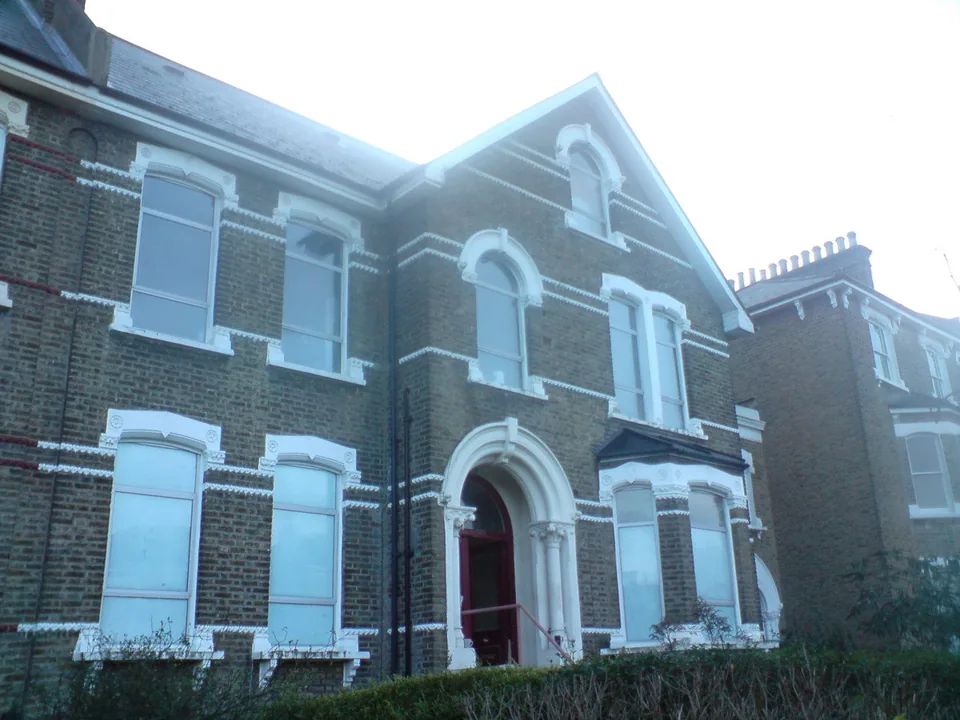
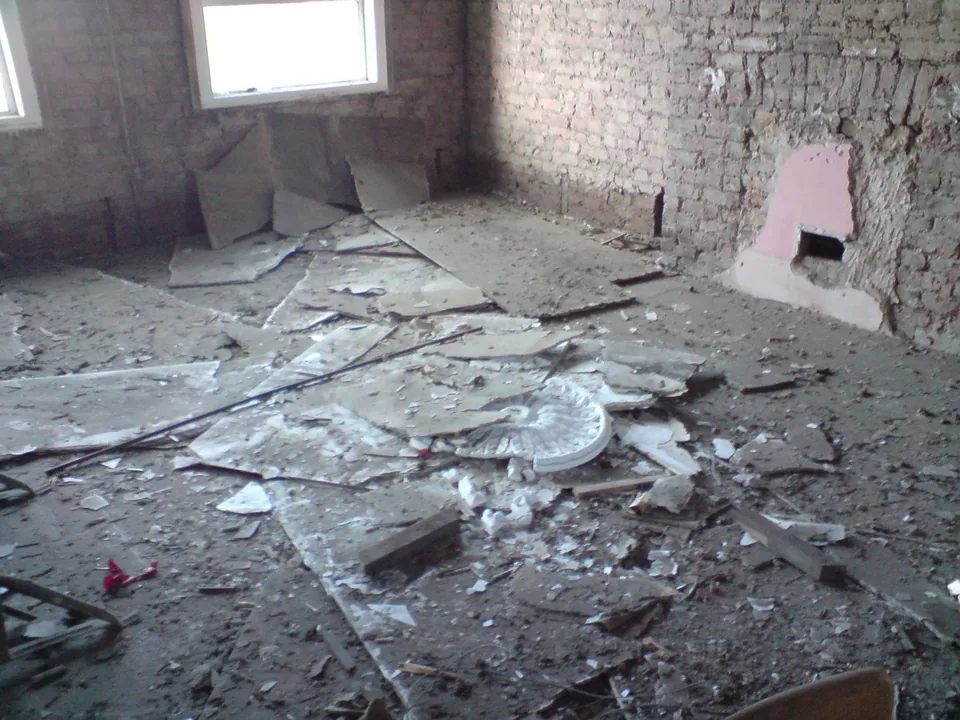
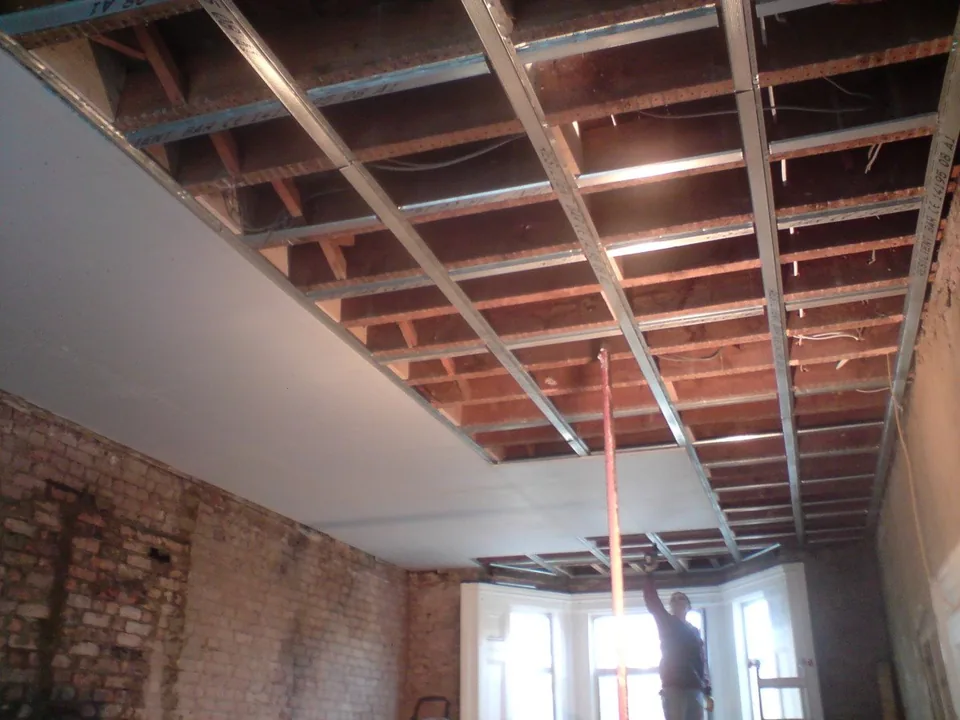
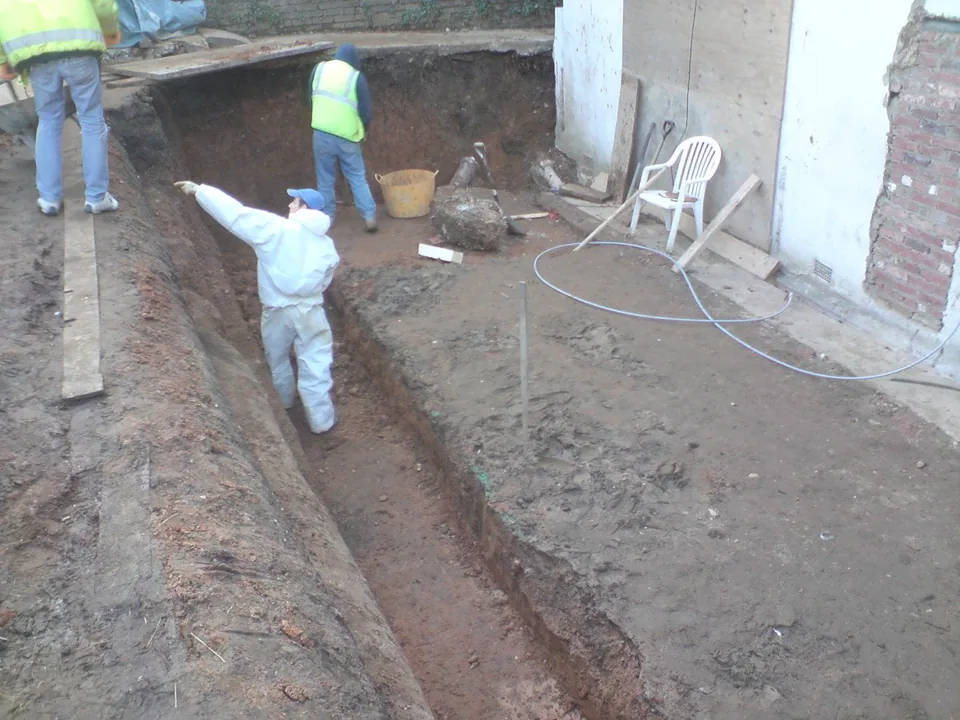
Exposed timber ceiling joists and brickwork during the Brockley house renovation, KRAMAN Ltd, LondonFoundation trench dug along the side of the Brockley house, KRAMAN Ltd, LondonFront of the Victorian house in Brockley, with arched windows and a red front door, KRAMAN Ltd, LondonRoom in the Brockley house stripped back to the brick, with fallen plaster and lath on the floor, KRAMAN Ltd, London

Locally listed buildings

Many London boroughs keep a local list of buildings of local interest. Local listing is not statutory listing: it does not need listed building consent and does not remove permitted development rights, but the council takes it into account when deciding planning applications. Our guide to checking whether a house is listed explains both lists.

Carrying out unauthorised works to a listed building is an offence, and the council can require the work to be reversed. The liability passes with the property, so buyers of listed houses should check that past alterations had consent.

Questions people ask

What is listed building consent?

Permission from the council to demolish, alter or extend a listed building in a way that affects its character, inside or out.

Do I need listed building consent for internal alterations?

Yes, if they affect the building’s character: listing covers the interior as well as the outside.

How much does listed building consent cost?

There is no fee for a listed building consent application; a planning application made alongside it has its own fee.

Do locally listed buildings need listed building consent?

No. A local list is not statutory listing, but the council considers it when deciding planning applications.

Can I replace windows in a listed building?

Only with listed building consent; repairing the original windows like for like is more likely to be acceptable than replacing them.

Call us